
Men leather flip flops summer shopping sounds simple until you hit the real issues: hot sidewalks, sweaty straps, arch pain, and that “looks good but feels awful” regret after one long walk.
Leather can be a comfort upgrade, but only when the materials, footbed shape, and fit match how you actually wear flip flops, quick errands is one thing, full-day travel is another. This guide helps you sort out what matters, what’s marketing, and what to check before you buy.
I’ll also flag the common traps, like assuming “genuine leather” automatically means soft, or thinking all flat soles feel the same. You’ll get a quick self-check, a practical comparison table, and simple care tips so your pair lasts longer than one season.
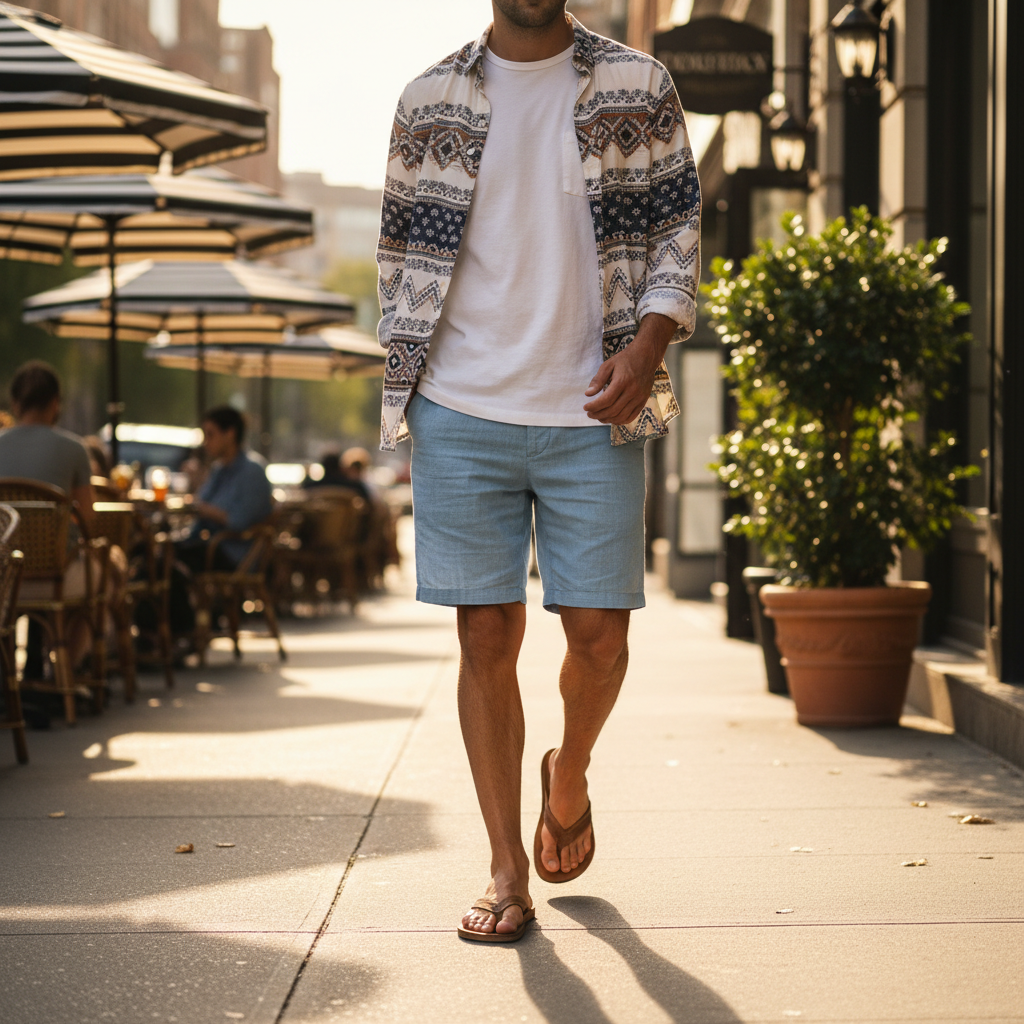
Why leather flip flops feel great sometimes, and terrible other times
Leather has a reputation for comfort because it can soften and mold with wear, but the comfort outcome depends on the whole build, not the label. Most complaints come from a few predictable design choices.
- Flat, stiff footbeds: Leather on top doesn’t help if the midsole has no give, your foot does all the work.
- Wrong strap placement: If the thong post sits too far forward or the straps angle inward, you grip with your toes, fatigue shows up fast.
- Low-traction outsoles: Smooth leather plus a slick bottom can feel sketchy on pool decks, hotel bathrooms, or polished floors.
- Heat management: Dark leather and dense foam can trap heat, while unlined straps may irritate when sweat and sand show up.
Also, leather quality varies, “full-grain” and “top-grain” usually wear better than heavily coated leather, but even good leather can rub if edges aren’t finished well.
Quick self-check: what kind of summer use are you buying for?
Before you compare models, get clear on your use case, it prevents buying a “beach” pair for a day that’s basically a 12,000-step city loop.
A fast checklist
- Mostly short wear (pool, backyard, quick errands): flexibility and quick on/off matter more than arch structure.
- Travel and walking (airports, sightseeing): you’ll want real arch shaping, heel cupping, and better traction.
- Hot and humid climates: look for breathable lining, smoother strap edges, and footbeds that don’t feel like plastic when wet.
- Foot history (plantar fascia pain, flat feet, high arches): prioritize support, and consider asking a podiatry professional if pain tends to flare.
If you regularly get heel soreness or arch tightness in flat sandals, it’s a hint that “minimal” designs may not be the right default for you, even if they look clean.
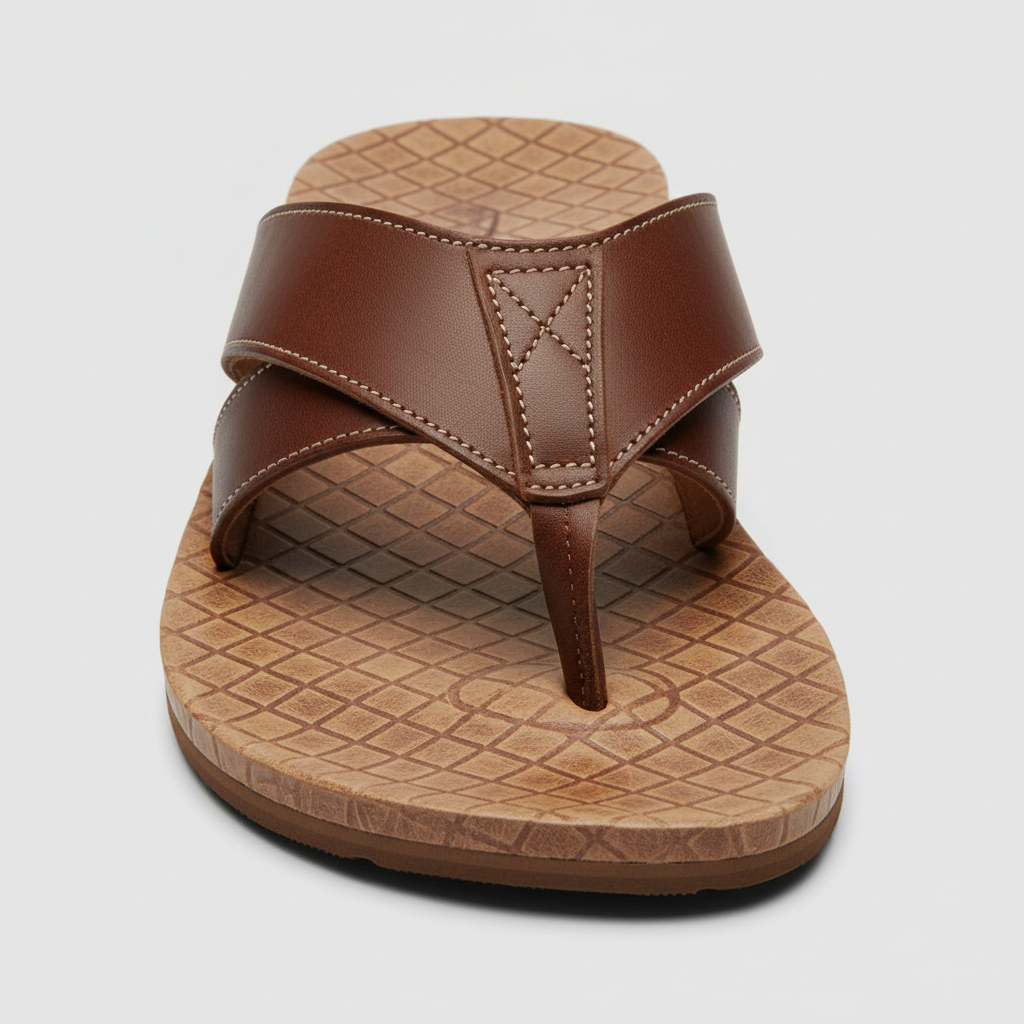
What to look for in men’s leather flip flops for summer comfort
When people say a pair feels “supportive,” they usually mean a few specific things. Here’s what’s worth paying attention to while you’re browsing, and what’s easy to ignore.
Fit and strap comfort (the make-or-break category)
- Thong post material: a softer post or wrapped post tends to reduce rubbing between toes.
- Strap edge finishing: rounded or folded edges often feel better than sharp-cut edges.
- Correct length: you want a little space behind the heel and in front of toes, not a “perfectly flush” edge that invites stubs.
Footbed shape and support
- Arch contour: light-to-moderate shaping helps with long walking, too aggressive can irritate some feet.
- Heel cup: a subtle cup can improve stability and reduce that slappy gait on hard ground.
- Top layer feel: leather can be grippy when dry, but some finishes feel slick with sweat, texture helps.
Outsole traction and durability
- Rubber outsole typically grips better than leather outsoles around water.
- Tread pattern matters more than thickness, shallow patterns can still slip on wet tile.
According to the American Podiatric Medical Association (APMA), supportive footwear can help reduce foot fatigue for many people. Flip flops vary widely here, so don’t assume a leather upper alone covers the support part.
Comparison table: match features to your summer scenario
Use this as a quick “is this build even aimed at my needs?” filter while you shop.
| Scenario | Best feature priorities | What to avoid |
|---|---|---|
| Beach, pool, boat days | Water-tolerant straps, grippy outsole, easy clean footbed | Slick leather outsole, stiff unlined straps |
| City walking on vacation | Arch contour, heel cup, shock-absorbing midsole, traction | Ultra-flat soles, hard footbeds with no flex |
| Everyday casual wear | Balanced cushioning, comfortable thong post, durable stitching | Overly soft foam that packs down fast |
| Hot, humid climates | Breathable lining, smooth strap edges, textured footbed | Plastic-feel topcoats that get slippery with sweat |
How to get the right fit online (without the back-and-forth returns)
Online sizing issues are usually predictable: length is fine, but the straps sit wrong. That’s why it helps to shop with a short process instead of vibes.
A practical fit routine
- Measure your foot length at the end of day, feet often swell a bit in heat.
- Check the brand’s size chart, then read notes on “runs narrow” or “runs long,” especially for leather models.
- If you’re between sizes, choose based on strap placement, too-short pairs force toes over the edge, too-long pairs make you claw to keep them on.
- Prioritize retailers with easy exchanges, leather fit is less forgiving than foam.
For men leather flip flops summer travel, a touch of extra length is often more comfortable than a snug edge fit, because heat makes feet expand and straps feel tighter.
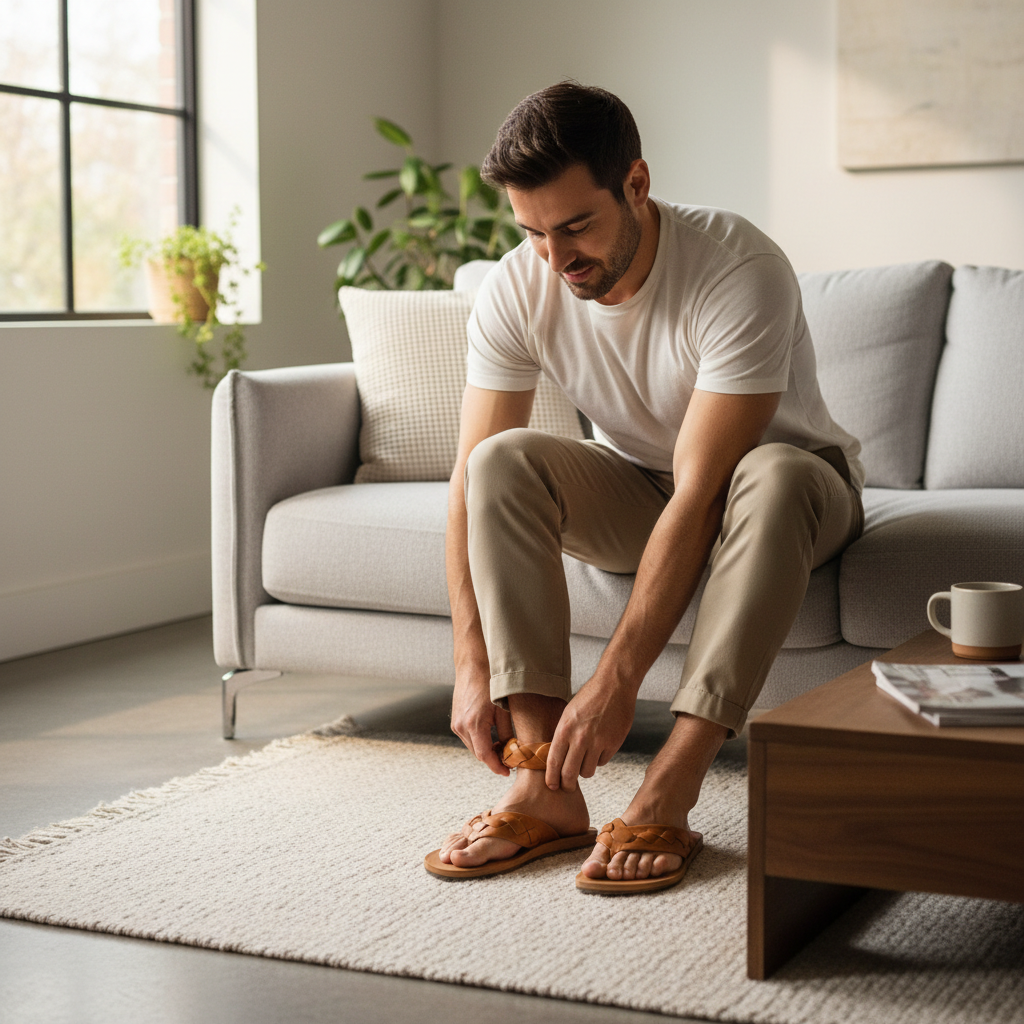
Break-in and care: what actually helps (and what can backfire)
Leather can soften nicely, but rushing the break-in is where people create blisters, warped straps, or cracked footbeds. Slow and steady wins here.
Break-in steps that usually work
- Wear them indoors for 30–60 minutes, check hot spots around the thong post and strap edges.
- Increase wear time over a few days, especially before travel.
- If straps feel stiff, a small amount of leather conditioner on the strap exterior may help, keep it off the footbed to reduce slipperiness.
Care tips for summer
- Let them dry in shade, direct sun can dry leather and speed cracking.
- Wipe salt and sand after beach days, grit can act like sandpaper on stitching.
- Use a soft brush and mild soap for footbed buildup, then air-dry fully.
Avoid soaking leather flip flops “to soften them,” it can distort shape and weaken adhesives. If you expect lots of water exposure, a more water-friendly construction is often the smarter call.
Common mistakes when buying leather flip flops for summer
- Assuming all leather is breathable: some finishes are coated, they can feel hotter than you expect.
- Buying for looks only: a sleek flat sole may look sharp, but long walking punishes minimal support.
- Ignoring traction: comfort isn’t just softness, stability reduces fatigue, too.
- Over-conditioning: too much product can make straps floppy and footbeds slick.
If your priority is “one pair for everything,” be honest about your hardest use day, that’s what your feet remember.
When to consider professional help or a different type of sandal
If you feel sharp heel pain, numbness, or symptoms that persist beyond normal break-in discomfort, it’s worth slowing down. Many foot issues get worse when you keep forcing minimal footwear through long walks.
- If you’ve had plantar fasciitis, tendon issues, or diabetes-related foot concerns, consider asking a podiatry professional about appropriate support and materials.
- If you need orthotics, some sandals and slides accommodate them better than classic thong flip flops.
Men leather flip flops summer comfort is achievable, but sometimes the right answer is simply a different category for high-mileage days.
Conclusion: a comfortable summer pair is about structure, not just leather
Leather can absolutely feel premium and comfortable in hot weather, but the best results come from the full package: a strap setup that doesn’t rub, a footbed that supports your walking style, and an outsole that grips when surfaces get slick.
If you want one next step, pick your main summer scenario, then shop around that, not around a vague promise like “soft leather.” And before any trip, do a short break-in week, your feet will notice.
FAQ
Are men’s leather flip flops good for long walks in summer?
They can be, but it depends on arch contour, heel cup, and outsole traction. A flat leather footbed may feel fine for short wear, then get uncomfortable after miles on hard ground.
How do I stop leather flip flop straps from rubbing between my toes?
Check thong post softness and strap edge finishing, those are the usual culprits. Break them in gradually indoors, and stop if you feel a consistent hot spot rather than mild stiffness.
Do leather flip flops get slippery when sweaty?
Some do, especially smooth, coated footbeds. A lightly textured footbed and better outsole grip usually helps, and keeping footbeds clean reduces slick buildup.
What’s the difference between full-grain and genuine leather in flip flops?
Full-grain often wears and softens better because it’s less processed, while “genuine leather” is a broader label that can vary a lot. The comfort difference shows up in strap softness and how the surface ages.
Should I size up or down for leather flip flops?
Many people do better with a touch of extra length for summer swelling, but too much length can make you grip with toes. Use the brand chart, then look for reviews mentioning strap placement and width.
Can I wear leather flip flops in water?
Occasional splashes are usually fine, but frequent soaking can shorten lifespan. If you expect water exposure often, look for water-tolerant linings and a construction designed for wet use.
How long does it take to break in leather flip flops?
Often a few short wears across several days, but it varies by strap thickness and footbed stiffness. If pain ramps up rather than fades, that’s a sign the fit or shape may be wrong.
If you’re shopping for men leather flip flops summer wear and want a more “no regrets” choice, focus on your main use case, then shortlist pairs with supportive shaping and well-finished straps, it’s the easiest way to land on comfort without endless returns.