
Best sunscreen for face daily usually means one thing in real life: you will actually wear it every morning, it won’t sting your eyes, and it won’t turn your face into a shiny mess by lunch.
In 2026, the choice feels wider than ever, but the pain points stay the same, white cast, pilling under makeup, irritation, and “SPF 50” that still makes you skip it on busy days. That’s why the best pick is less about the highest number on the bottle and more about the right match for your skin and routine.
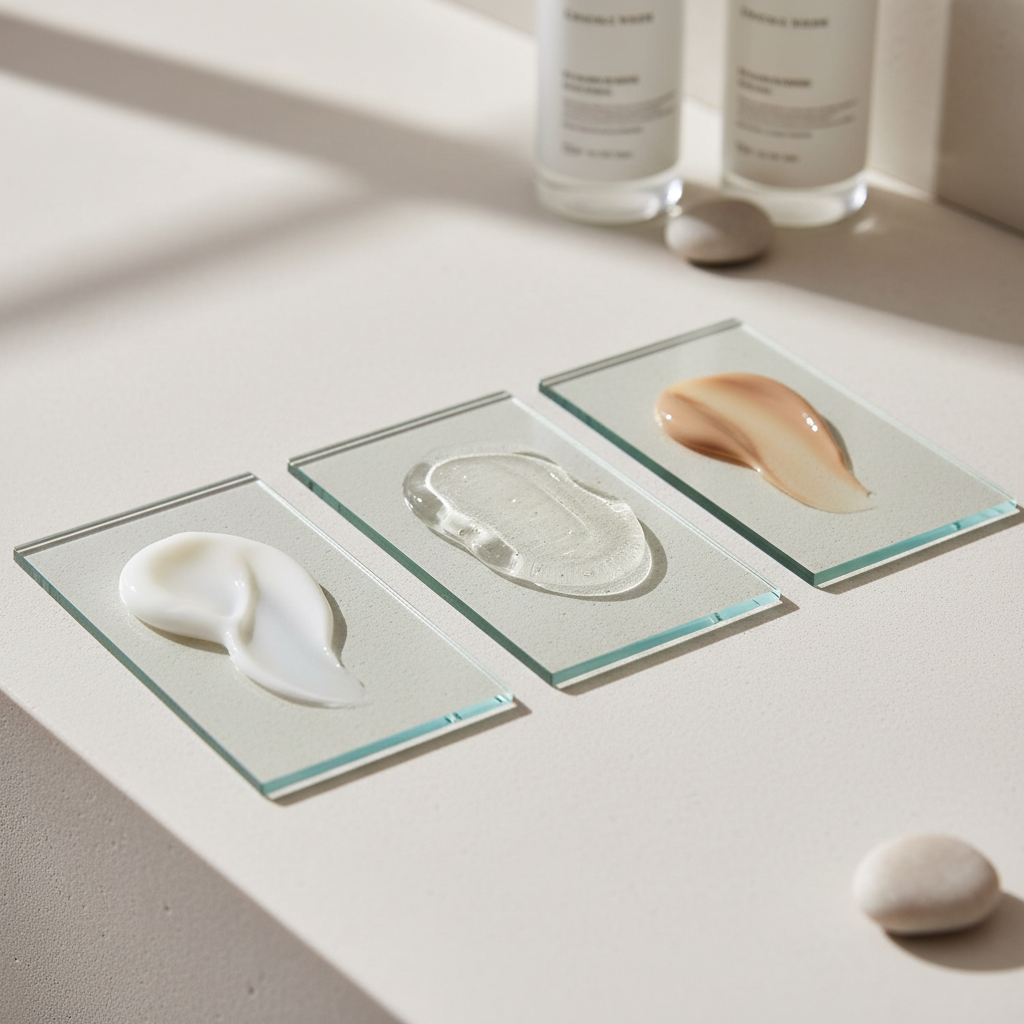
This guide walks you through what matters for daily face SPF, how to self-check what you need, and a short list of practical “profiles” so you can narrow down fast. I’ll also share a comparison table, application tips that stop pilling, and when it’s worth asking a dermatologist.
What “best daily face sunscreen” really means in 2026
For everyday wear, comfort is the feature that drives consistency, and consistency is what makes sunscreen useful. According to American Academy of Dermatology, broad-spectrum sunscreen with SPF 30 or higher is part of daily protection because UVA can contribute to premature skin aging.
In practice, most people end up choosing between these formats:
- Lightweight chemical (organic) filters: often clear, usually easiest under makeup, but can sting sensitive eyes for some.
- Mineral (zinc oxide/titanium dioxide): tends to feel gentler and works well for reactive skin, but white cast can be an issue depending on formula and skin tone.
- Hybrid: tries to balance comfort and cast, formula quality varies a lot.
- Tinted SPF: helps with white cast and can double as light coverage; shade matching matters.
If you only remember one thing, daily facial SPF that you enjoy applying beats a “perfect” formula that sits in a drawer.
Quick comparison table: choose by skin type and routine
This table is meant to narrow your search when you’re scanning shelves or product pages, not to force everyone into a box.
| Situation | What to prioritize | Usually works well | Common deal-breaker |
|---|---|---|---|
| Oily / acne-prone | Oil control, non-greasy finish, non-comedogenic claims | Light gel-cream, fluid chemical or hybrid | Heavy mineral creams that feel occlusive |
| Dry / tight skin | Moisturizing base, less alcohol, comfortable reapplication | Creamy lotion, hydrating chemical or mineral | Matte formulas that cling to dry patches |
| Sensitive / rosacea-leaning | Low sting, fragrance-free, simple formula | Mineral zinc-based or gentle hybrid | Eye stinging, strong fragrance, high alcohol feel |
| Dark skin tones (cast concerns) | No white cast, good spread, even film | Clear chemical or well-made tinted mineral | Chalky zinc formulas |
| Makeup wearer | No pilling, quick set time, smooth primer-like finish | Thin fluid, “primer” texture, some tinted options | Layering issues with silicone-heavy routines |
| Outdoor-heavy day | High water resistance, sweat tolerance, reapply plan | Water-resistant SPF 50 | Skipping reapplication |
Why your current face SPF might be failing (and it’s not always the sunscreen)
People blame the product, but the routine around it often causes the “I hate sunscreen” experience.
- Pilling: frequently comes from stacking too many layers, mixing incompatible textures, or rubbing sunscreen too long instead of smoothing and letting it set.
- Eye stinging: can happen with some chemical filters migrating with sweat, or with heavy application too close to the lash line.
- White cast: more common with high-zinc mineral formulas, or when you apply the right amount but the formula can’t spread evenly.
- Breakouts: sometimes tied to rich emollients, sometimes to not cleansing well at night, and sometimes to friction from frequent reapplication.
- “Greasy by noon”: often means the sunscreen finish clashes with your moisturizer, or you’re using a heavy moisturizer you don’t need under SPF.
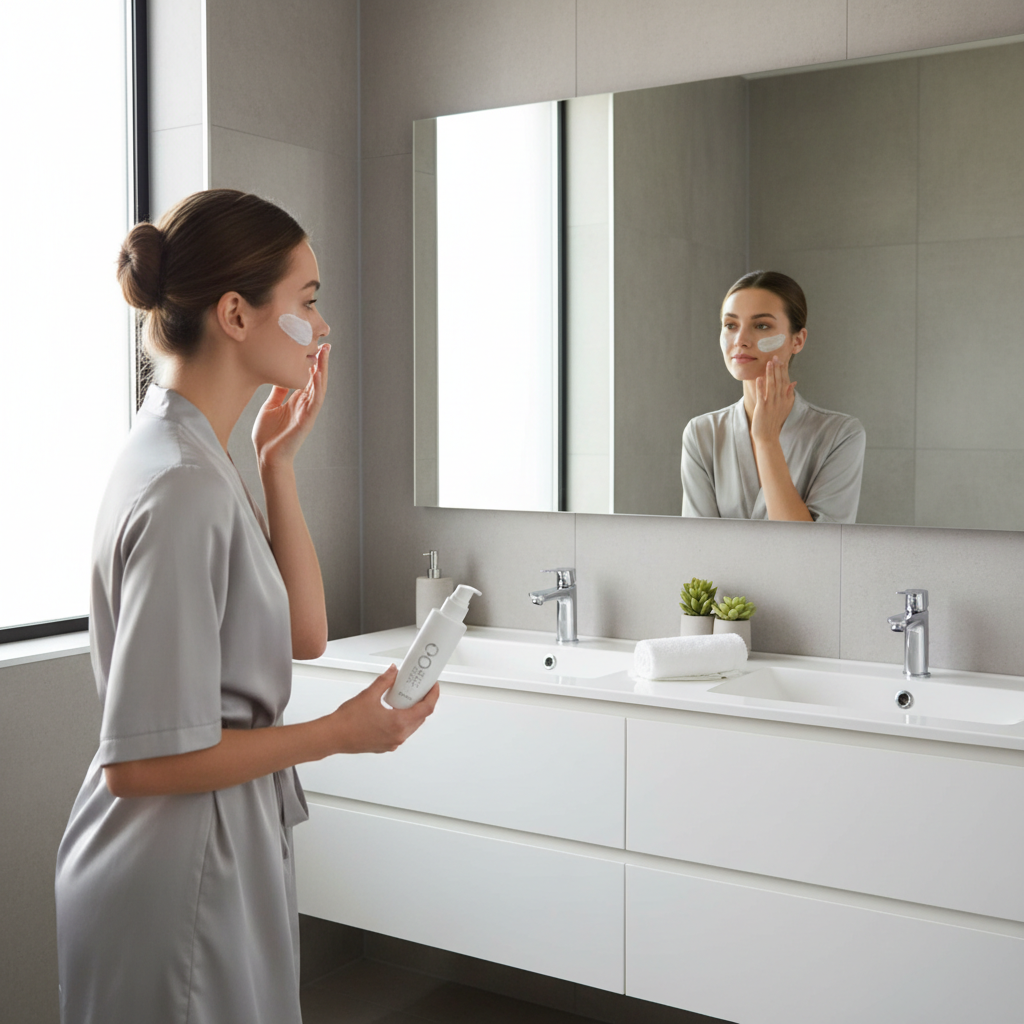
If you’re hunting for the best sunscreen for face daily and everything feels “wrong,” it’s worth checking application amount, product layering, and whether your cleanser is actually removing the day.
Self-check: what profile are you?
Pick the closest match. It’s faster than reading 300 reviews.
- “I skip because it feels heavy” → you probably need a thin fluid texture, fast set time, and a finish you like without powder.
- “My eyes burn by afternoon” → look for fragrance-free, consider mineral around eyes, and avoid applying right up to the lashes.
- “Makeup pills every time” → simplify layers, keep skincare lightweight, and let sunscreen set before foundation.
- “White cast makes me look gray” → try clear chemical or a tinted mineral that matches your undertone.
- “I break out after two days” → choose lighter bases, avoid heavy balms, and double cleanse if you wear water-resistant SPF.
One more honest question: are you reapplying? If you never reapply, a comfortable SPF 30 you will reapply can beat a miserable SPF 50 you avoid after 9 a.m.
How to pick the best sunscreen for face daily (simple rules that hold up)
According to U.S. Food and Drug Administration, “broad spectrum” indicates protection against both UVA and UVB. For daily face wear, the label basics matter, but the “feel” decides whether you stick with it.
Key label checks
- Broad spectrum on the front label.
- SPF 30+ for everyday, with higher SPF often useful for long outdoor time.
- Water resistant if you sweat, exercise, or spend time outside, and note it’s 40 or 80 minutes, not all-day.
- Fragrance-free if you’re sensitive or dealing with irritation.
Texture and finish checks (the real-life part)
- Fast set if you hate “tacky face.”
- No white cast if you’re not using tint and your skin tone shows residue easily.
- Plays well with your base: if you use silicone primer, a very dewy sunscreen may pill, and vice versa.
Daily application that actually works (and reduces pilling)
This is the part many people rush, then decide sunscreen “doesn’t work for them.” Try this for a week before you keep buying new bottles.
- Morning order: cleanse (optional) → light moisturizer (optional) → sunscreen.
- Use enough: a generous layer for face and neck; exact “two-finger” rules vary by finger size, so focus on even coverage and not skimping.
- Press and smooth, don’t aggressively rub for a full minute, that’s where rolling and pilling starts.
- Wait 2–5 minutes before makeup so the film can set.
- Reapply when you’re outdoors, sweating, or after towel-drying, and consider a lotion reapplication over spray for better coverage.
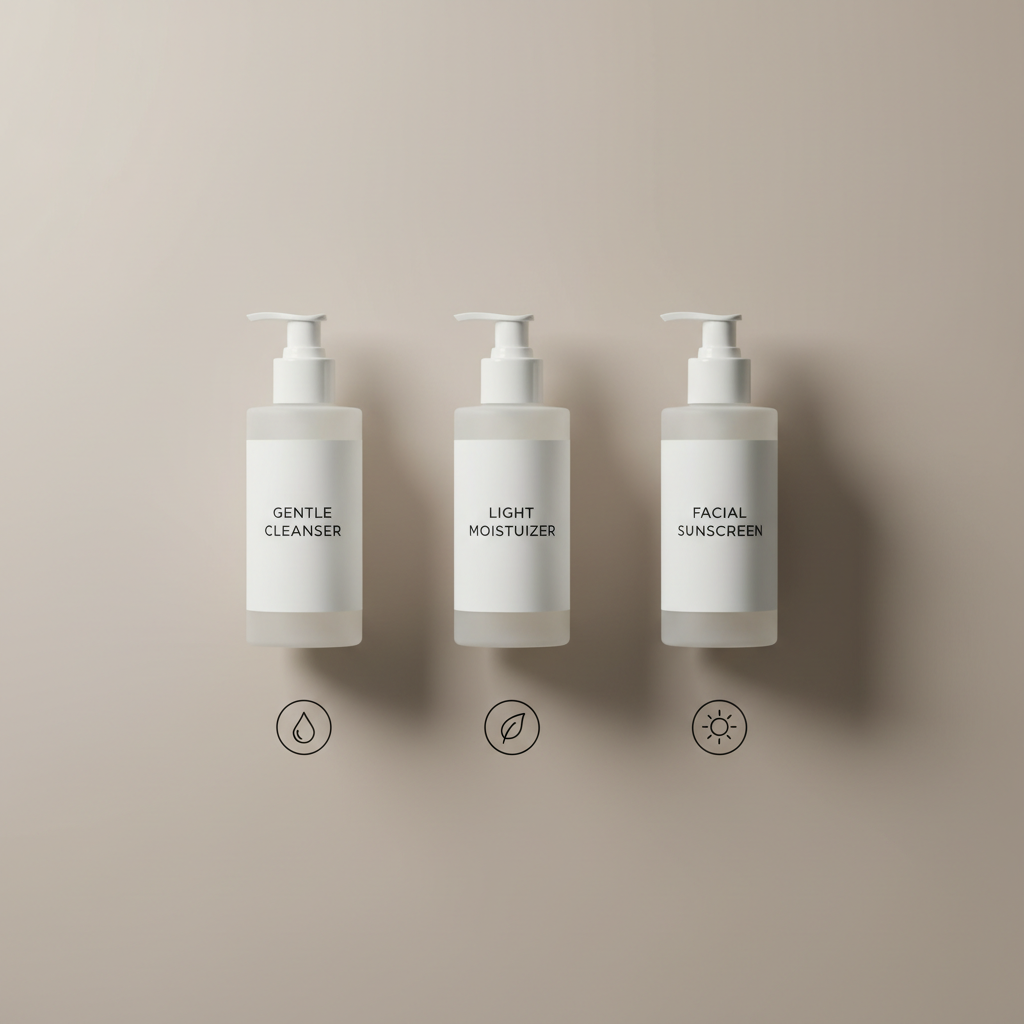
Key takeaway: if your sunscreen pills, remove one layer underneath before you replace the sunscreen itself. Often that single change fixes the whole routine.
Common mistakes and what to do instead
- Mistake: treating SPF like moisturizer
Better: pick a sunscreen you like, then adjust moisturizer around it, many people need less moisturizer in the morning. - Mistake: avoiding sunscreen because it breaks you out
Better: switch texture (fluid or gel), keep evenings consistent with cleansing, and patch test; acne triggers vary by person. - Mistake: relying on makeup SPF alone
Better: use dedicated facial SPF as your base; makeup SPF can help but often isn’t applied thick enough. - Mistake: only caring about sunny days
Better: keep daily use consistent, UVA can be present year-round, and habits beat perfect timing. - Mistake: reapplying by rubbing hard over makeup
Better: use gentle patting with a compatible formula, or use a sunscreen stick designed for reapplication, then check for even coverage.
When it’s worth asking a professional
If sunscreen use causes persistent rash, swelling, or burning that doesn’t improve after switching to a simpler, fragrance-free formula, consider checking in with a dermatologist. The same goes if you suspect photoallergic reactions, have a history of skin cancer, or use prescription actives that increase sensitivity. This article can help you narrow options, but diagnosing irritation triggers is a medical call.
Conclusion: a realistic way to choose your daily face SPF
The best sunscreen for face daily is the one that fits your skin type, doesn’t fight your routine, and feels easy enough that you repeat it. Start by choosing a texture you’ll tolerate, verify broad-spectrum labeling, and run a one-week “no extra layers” test if you struggle with pilling or greasiness.
If you want one action step today, pick a single sunscreen profile from the self-check above, then buy one product that matches it, not three. Give it a fair try with the application steps, and adjust from there.
Quick action list: choose broad spectrum SPF 30+, apply generously to face and neck, let it set before makeup, reapply when you’re outdoors.