
women racerback tank top workout shopping sounds simple until the top clings, gaps at the armholes, or rides up mid-set, and suddenly you’re adjusting more than training.
A good racerback tank should do two quiet jobs at once: move with your shoulders without pulling, and manage sweat without turning heavy or see-through. The tricky part is that the “right” pick changes with your workout, your bra style, and how much coverage you actually want.
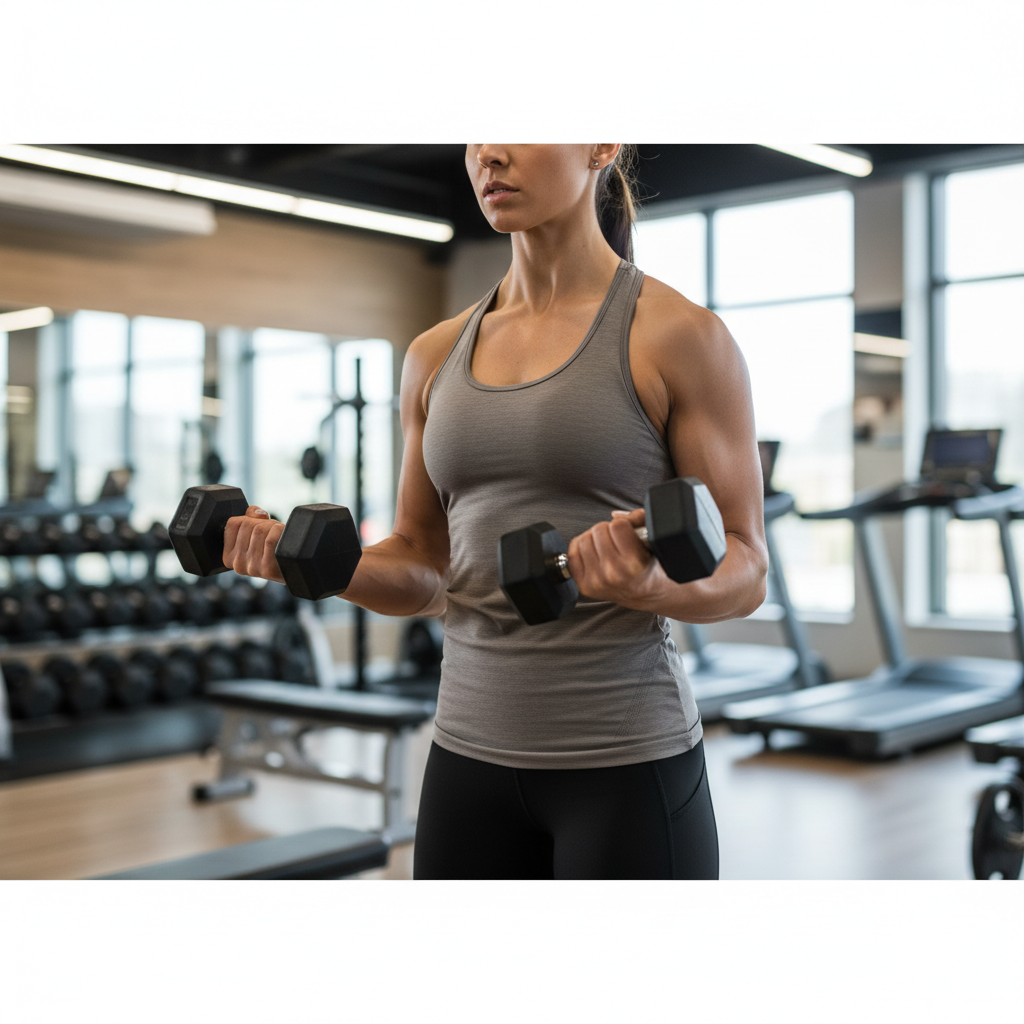
This guide breaks down what matters (fabric, cut, strap shape, length), how to self-check fit in two minutes, and how to match a tank to lifting, running, yoga, or HIIT without overthinking it.
What a racerback tank top needs to do in real workouts
The racerback shape exists for a reason: it frees up the shoulder blades. If you’ve ever felt a regular tank twist during rows or overhead pressing, you already know the value.
- Range of motion: straps sit closer to the neck and clear the scapula, so pulling and pressing feel less restricted.
- Sweat management: most training tanks use polyester blends or nylon blends to dry faster than pure cotton.
- Coverage choices: some people want a high neck for burpees, others prefer a lower cut for airflow, neither is “better,” just different.
- Layering compatibility: a racerback can either show your sports bra on purpose or fight with it, depending on strap geometry.
According to American Council on Exercise (ACE), comfortable clothing that allows natural movement can support better exercise performance and adherence, which is a practical way to think about apparel: if it distracts you, it’s not doing its job.
Fabric and build: how to pick what feels good after 20 minutes
Fabric is where most “looks fine online, feels wrong in person” happens. The label won’t tell you everything, but it gives clues.
Common fabrics (and what they usually feel like)
- Polyester/spandex blends: common for sweat-wicking, tends to hold shape well, can feel slick.
- Nylon/spandex blends: often softer and smoother, good stretch recovery, sometimes pricier.
- Modal/cotton blends: softer, more casual, can feel heavier once sweaty depending on knit.
- 100% cotton: breathable but often stays wet longer, better for low-sweat days or lifestyle wear.
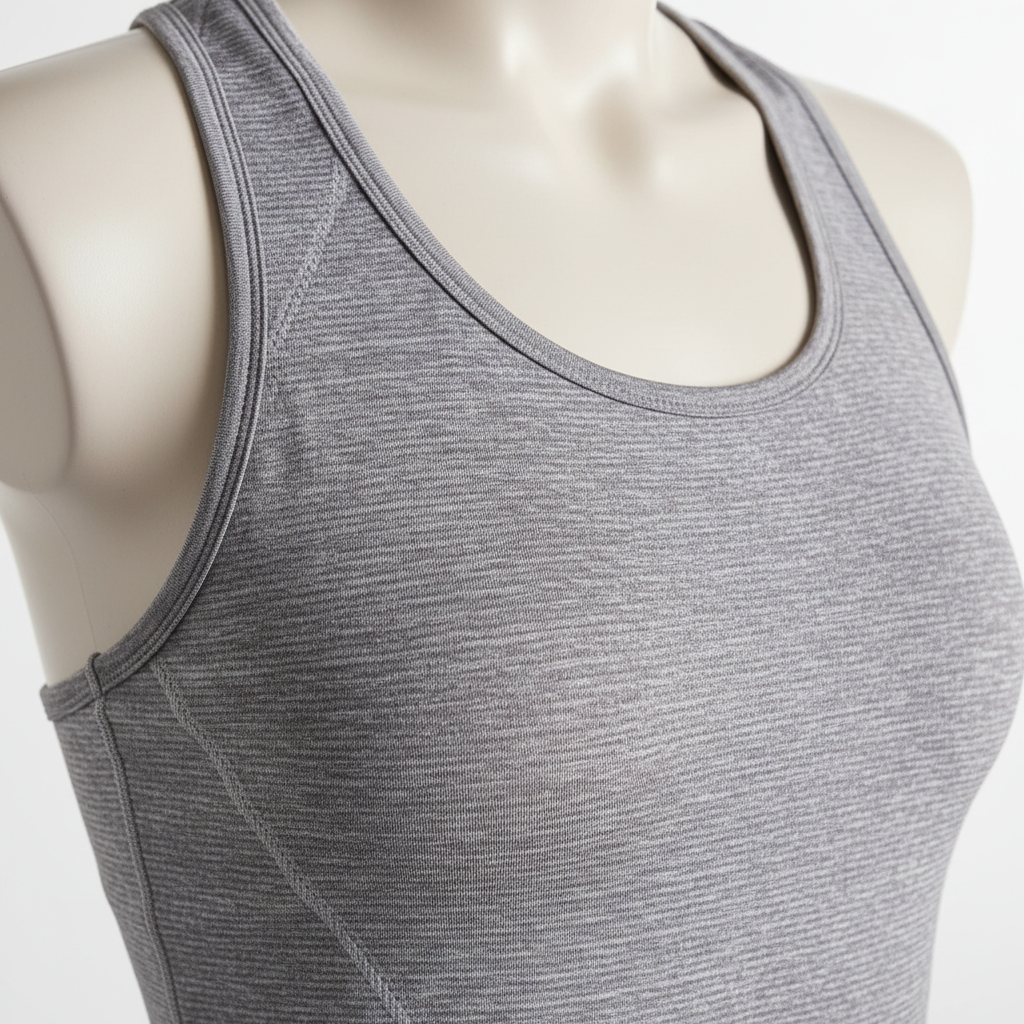
Construction details that matter more than marketing names
- Seams: flatter seams usually reduce chafing around the armholes and underarms.
- Armhole cut: very deep armholes ventilate well but can expose bra side panels.
- Hem finish: a slightly weighted hem or curved hem can reduce ride-up.
- Opacity: lighter colors or thin knits may turn semi-sheer when stretched.
Fit checklist: 2-minute self-test before you keep the tags off
Before committing, do a quick “movement audit.” It saves returns, and it saves annoyance.
- Overhead reach: lift both arms, if the hem jumps above your waistband and stays there, expect ride-up during presses and pull-ups.
- Row motion: mimic a bent-over row, if the armholes pull and rub the front of the armpit, chafing is likely.
- Twist test: rotate your torso, if the side seams swing forward aggressively, the tank may be cut too narrow through the hips.
- Squat depth: if the neckline gapes as you hinge, you may want a higher neck or a snugger chest fit.
- Sweat reality check: if you sweat a lot, hold the fabric up to light while slightly stretched to assess opacity.
Quick rule that holds up in many cases: if you’re adjusting the straps or tugging the hem in the fitting room, you’ll do it more once you’re warmed up.
Match the tank to your training: lifting vs running vs yoga
Not every women racerback tank top workout need is the same, and that’s why “one perfect tank” rarely exists.
Strength training (barbells, machines, dumbbells)
- Look for medium compression or a structured knit, it tends to stay put during set-up and bracing.
- Prefer higher armholes if you dislike side exposure on bench or rows.
- A longer length or curved hem pairs better with belts and avoids waistband creep.
Running and cardio
- Choose lightweight, fast-dry fabric and avoid rough seams near the underarm.
- Consider reflective details for outdoor low-light, if that’s your routine.
- Watch neckline bounce, a slightly higher neck can feel more secure.
Yoga, Pilates, mobility
- A softer drape can feel nicer, but check for gaping in forward folds.
- If you invert or do a lot of transitions, a closer-to-body fit reduces fabric flipping.
HIIT and Cross-training
- Prioritize durability and a hem that doesn’t ride up during burpees.
- Moderate armholes help with coverage during fast lateral movement.
Sports bra pairing: the detail that changes the whole look
Racerbacks can either highlight a bra cleanly or create strap chaos. The fix is usually simple: match geometry.
- Racerback bra + racerback tank: often the cleanest alignment for training days.
- Strappy bra: looks intentional with deeper armholes, but can tangle visually with narrow racer cuts.
- Adjustable strap bra: lets you convert to racerback when the tank opening is tight between shoulder blades.
- High support bras: tend to have wider straps, check that the tank straps don’t sit on top and cause rubbing.
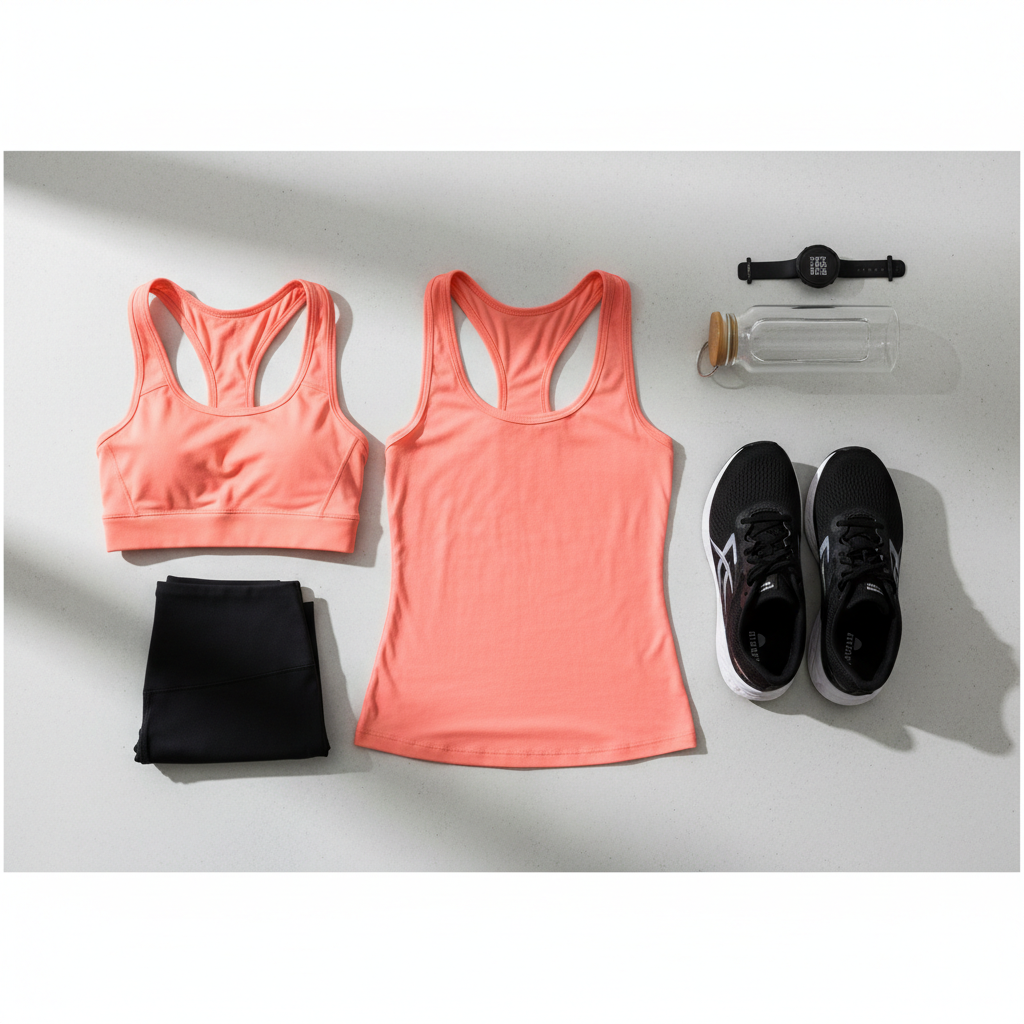
If you’re unsure, put the tank and bra on together and do three moves: overhead reach, push-up position, and a quick jog-in-place. Strap rubbing shows up fast.
Practical buying guide (with a quick comparison table)
When you’re choosing between styles, it helps to name what you’re optimizing for: coverage, cooling, support pairing, or versatility.
| Workout need | Tank features to look for | Usually not ideal |
|---|---|---|
| Heavy lifting | Medium compression, higher armholes, longer hem | Ultra-thin drapey fabric that shifts |
| Hot studio or summer runs | Lightweight wicking knit, ventilation panels, anti-chafe seams | Thick cotton that stays damp |
| Yoga and mobility | Soft stretch, secure neckline, moderate drape | Very low neck that gapes in folds |
| HIIT | Stay-put hem, durable fabric, balanced armholes | Deep armholes that shift during lateral moves |
Key takeaways to keep in mind
- Pick fabric for sweat level, not just feel on first try.
- Check movement, not mirror posing, especially overhead and hinge positions.
- Pair with the bra you’ll actually wear, strap layout changes everything.
Care, comfort, and common mistakes that waste money
Most tanks fail early because of care habits, not because they were “low quality.”
- Too much heat: hot dryers can shorten stretch recovery, air dry when possible.
- Fabric softener: many athletic fabrics perform better without it, it can leave residue and reduce wicking in some cases.
- Buying for “future body”: sizing down for motivation often leads to rolling hems and constant tugging.
- Ignoring friction zones: if you’ve had underarm chafing before, prioritize seam placement over trendy cuts.
If you notice persistent skin irritation, unusual rashes, or pain during activity, it may help to pause and consult a clinician or qualified professional, since clothing isn’t always the root cause.
Conclusion: choosing a tank you stop thinking about
A women racerback tank top workout choice is “right” when it disappears into the session, no pulling at straps, no neckline worry, no heavy wet fabric by minute fifteen. Start by matching the tank to your training type, then confirm fit with a quick movement test, and only then worry about color or style extras.
If you want a simple next step, pick one tank optimized for your most frequent workout, wear it for two sessions, and note exactly what annoyed you, that list makes the second purchase much easier.
FAQ
What’s the difference between a racerback tank and a regular tank for workouts?
A racerback typically clears the shoulder blades more, so pulling and overhead movements feel less restricted. Regular straps can be comfortable too, but they’re more likely to slip or twist during certain lifts.
How tight should a women racerback tank top workout fit be?
Snug enough that the neckline and armholes stay in place when you move, but not so tight that seams dig in or the hem rolls. If breathing feels limited during warm-up, it’s probably too small.
Why do racerback tanks ride up during training?
Common causes include a hem that’s too short for your torso, fabric that’s very slick, or a hip area that’s cut too narrow. Trying a longer length or a slightly roomier hip can help.
Are cotton racerback tanks bad for the gym?
Not inherently, they can feel great for low-sweat strength sessions or casual wear. For high-sweat cardio, cotton often stays damp longer, which some people find uncomfortable.
What neckline is best if I feel exposed during burpees?
A higher neck or a tank with a more stable binding around the neckline usually feels more secure. Pairing with a supportive bra also reduces shifting during fast transitions.
How do I stop bra straps from showing with a racerback tank?
Look for a tank with a narrower racer channel or wear a convertible bra set to racerback. In many cases, a little strap visibility is normal, so it depends on whether you want a clean line or don’t mind the layered look.
Can a racerback tank cause underarm chafing?
It can, especially with deep armholes, rough seam edges, or long sweaty sessions. If you’re prone to chafing, prioritize flat seams and test the tank during a short workout before committing.
If you’re trying to build a small rotation of workout tops and want a more straightforward way to choose, focus on one “go-to” racerback for your main training style and one lighter option for hot days, it’s usually more useful than chasing a single do-it-all piece.