
Best hair color for dark hair diy usually comes down to two things: how much lift you need (lighter vs. same-level refresh) and how much maintenance you can tolerate (root touch-ups vs. low-contrast blends).
If you’ve ever grabbed a box dye and ended up with orange roots, uneven bands, or hair that suddenly feels dry, you’re not alone, dark hair behaves differently at home because underlying warm pigment shows fast when you lighten.
This guide breaks down what actually works on dark hair in a DIY setting, which shades tend to look believable, what products to prioritize, and the steps that help you avoid the classic at-home mistakes.
What “dark hair DIY color” really means (and why results vary)
Dark hair isn’t one single starting point, black, dark brown, and medium brown all lift differently, and previous color history changes everything. Virgin hair often lifts more evenly, while previously colored hair can lift patchy or resist lightening.
According to the American Academy of Dermatology (AAD), hair dye can trigger irritation or allergic reactions in some people, which is why patch testing and careful timing matter even if you’ve colored before.
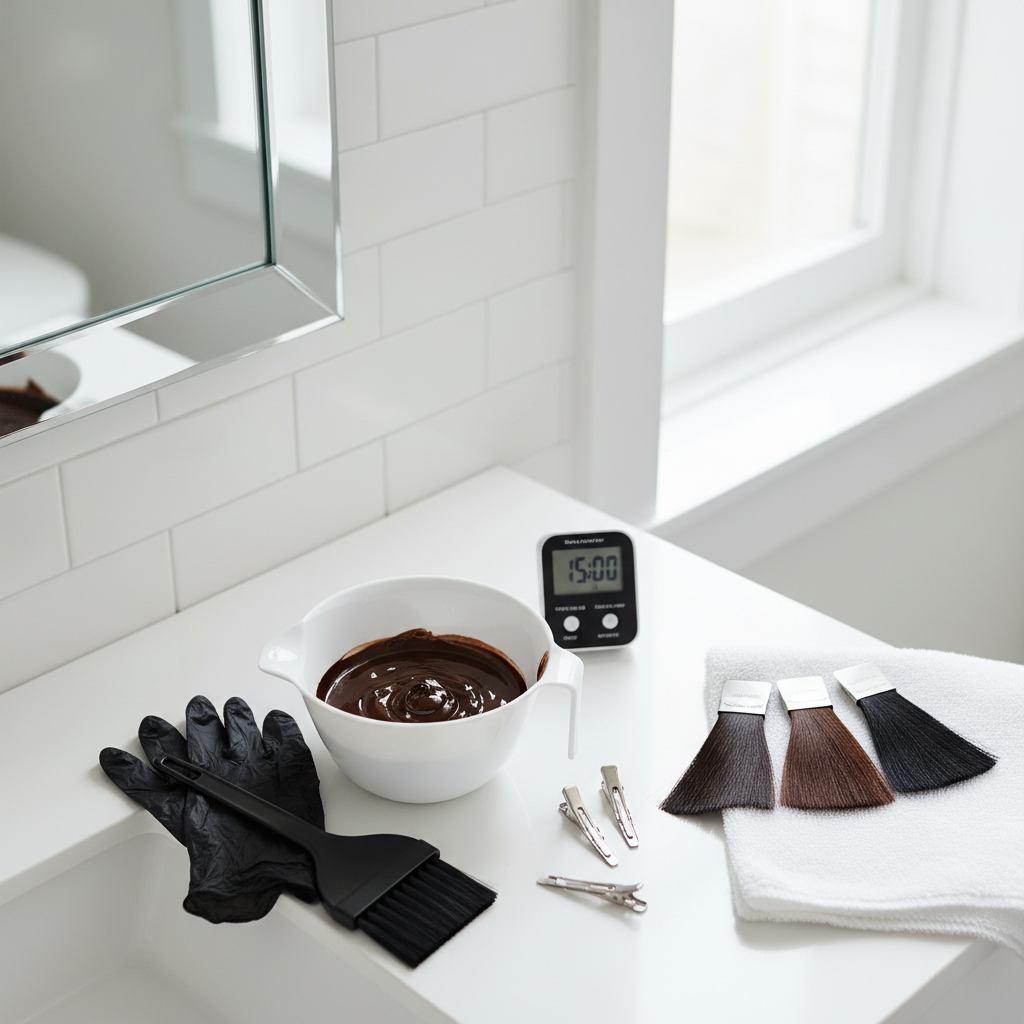
One more reality check: going lighter than your natural base at home often means bleach or high-lift color, and those are less forgiving. If your goal is “noticeably lighter all over,” DIY can work, but it’s the scenario where people get the most surprises.
Quick self-check: which DIY path fits your hair?
Before you pick a shade, decide what job you’re asking the color to do. This short checklist saves money and, honestly, a lot of stress.
- Virgin hair, want richer dark tone: choose a deposit-only permanent or demi-permanent in the same level.
- Previously dyed dark, want to go lighter: expect uneven lift, consider highlights with a pro or a slow, warm-friendly plan.
- Covering grays: choose a permanent formula with clear gray-coverage claims, and plan for more frequent roots.
- Want dimension, not an all-over change: consider gloss, root smudge, or subtle balayage-style pieces.
- Hair feels dry or fragile: avoid aggressive lightening, start with a gloss or darker refresh.
If you’re still undecided, default to “less lift, more shine” for your first round. It’s easier to go deeper and richer, fixing overly light or brassy is the expensive direction.
Best shade directions for dark hair DIY (what tends to look natural)
For many at-home situations, the most reliable looks on dark hair are shades that stay close to your base and lean into depth, shine, and tone rather than dramatic lift.
Go-to shade families that usually behave well
- Soft black / blue-black: high impact, but roots can look sharp as they grow, great if you like bold contrast.
- Espresso, dark chocolate, mocha: the “safe upgrade” for brunettes, adds richness without fighting undertones.
- Neutral-to-ash dark brown: helps reduce warmth, but can look flat if your skin tone loves warmth.
- Warm chestnut / cinnamon brown: flattering on many complexions, often easier than forcing ash on naturally warm hair.
- Burgundy / deep auburn: shows nicely on dark hair without heavy bleach, but fades faster and can stain.
When people search for the best hair color for dark hair diy, they often imagine “lighter but still natural.” In practice, that usually means strategic brightness (a warm brunette, a red-brown, or a few face-framing pieces) rather than trying to jump multiple levels in one session.
Choose your product type: box dye vs. demi vs. gloss
This is where DIY results split into “looks professional” and “why is it orange.” Product type matters more than brand hype.
| Option | Best for | Pros | Watch-outs |
|---|---|---|---|
| Permanent color | Gray coverage, deeper tone, long wear | Stays put, strong saturation | Harder to remove, can look flat, roots show |
| Demi-permanent | Toning warmth, refreshing brunette, subtle darkening | Usually gentler, fades more naturally | Limited lift, may not cover stubborn grays fully |
| Gloss / glaze | Shine boost, tone correction, “expensive brunette” vibe | Low commitment, great between colors | Temporary, won’t change level much |
| Bleach + toner | Going lighter, highlights, major change | Most lift possible | Higher damage risk, patchiness likely at home |
If you want a safer starting point, a demi-permanent brunette or gloss is often the best hair color for dark hair diy because you can assess tone without locking yourself into a harsh grow-out line.
Step-by-step: a cleaner DIY application for dark hair
Good DIY color is mostly preparation and sectioning, not secret tricks. Aim for control, consistent saturation, and timing discipline.
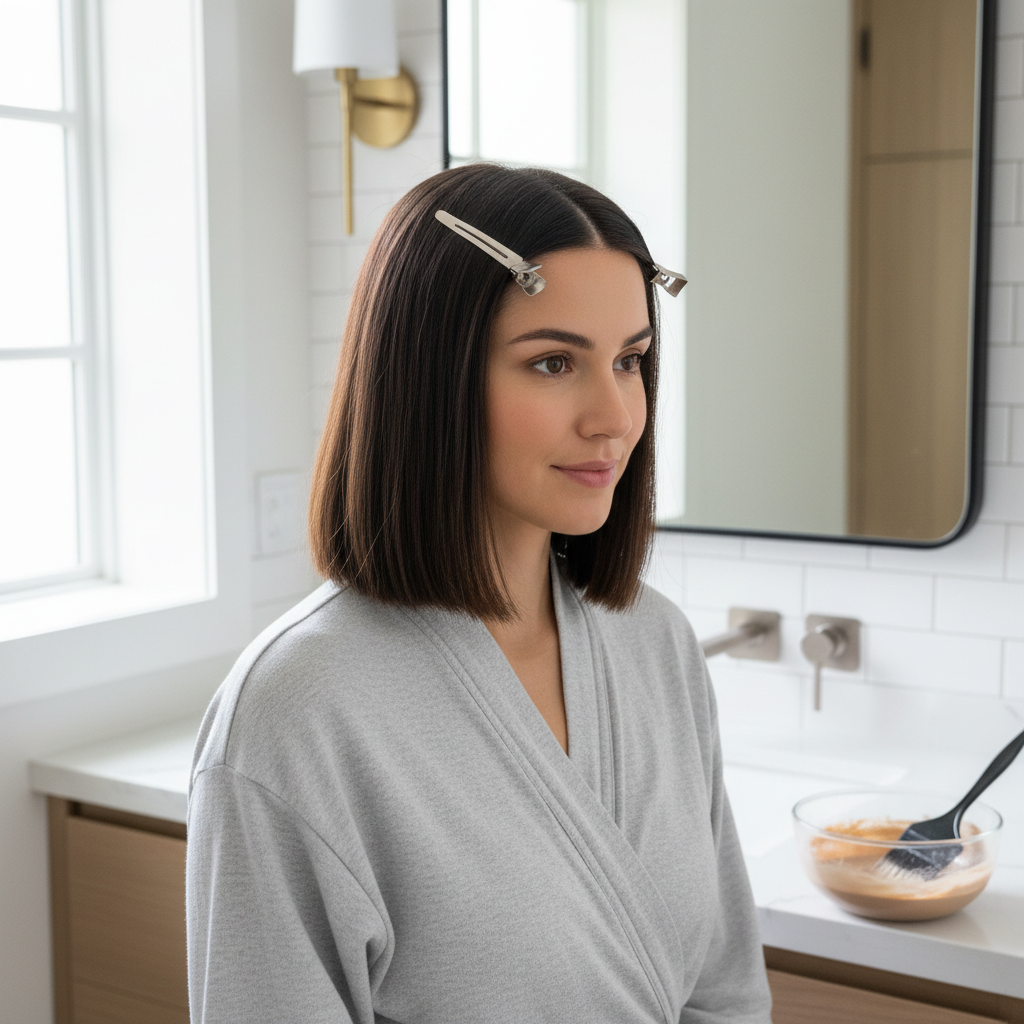
Before you start
- Do a patch test as directed on the product, especially if trying a new brand or tone.
- Clarify what you’re correcting: warmth, dullness, grays, or uneven fade.
- Gather tools: gloves, clips, tint brush, old towel, timer, petroleum jelly for hairline.
- Detangle and section into 4 quadrants, messy sections cause missed spots.
Application basics that matter on dark hair
- Roots first for gray coverage, but for refreshing faded mids/ends, apply there first and finish at roots, timing depends on the job.
- Saturate thoroughly, dark hair can “drink” product, skimpy application reads as patchiness.
- Keep timing honest, don’t “round up” because you’re nervous, overprocessing can dry hair and shift tone.
- Rinse until water runs mostly clear, then condition well, skip harsh shampoo the first day if possible.
Key point: if you’re lightening dark hair, results often pull warm. Planning for that warmth with the right toner or shade family tends to look better than fighting it aggressively at home.
Practical fixes for common dark-hair DIY problems
A lot of “bad color” is actually predictable. Here are the most common issues and what usually helps without making things worse.
Brassy or orange tones
- Use a blue shampoo for orange brass on brunettes, purple targets yellow and is often too weak for dark hair warmth.
- Try a brunette gloss labeled “cool” or “ash” if hair feels healthy enough.
- Avoid stacking permanent ash repeatedly, it can turn muddy or overly dark.
Roots lighter than ends (hot roots)
- Next time, apply to mids/ends first, then roots later, scalp heat speeds processing.
- Choose a shade closer to your natural base at the root zone.
Ends too dark or dull
- Stop repeatedly pulling permanent color through the ends, switch to a gloss for refresh.
- Trim and deep condition, some dullness is damage, not pigment.
If you’re stuck in a cycle of “too warm, then too dark,” you’re not failing, you’re just using the wrong tool for the job. Many times, the best hair color for dark hair diy is actually a toning step, not another full dye.
Safety notes and when it’s smarter to see a pro
DIY color can be totally reasonable, but there are moments where professional help is less about luxury and more about risk management.
- History of reactions to dye, itching, swelling, or blistering, stop and consider medical advice.
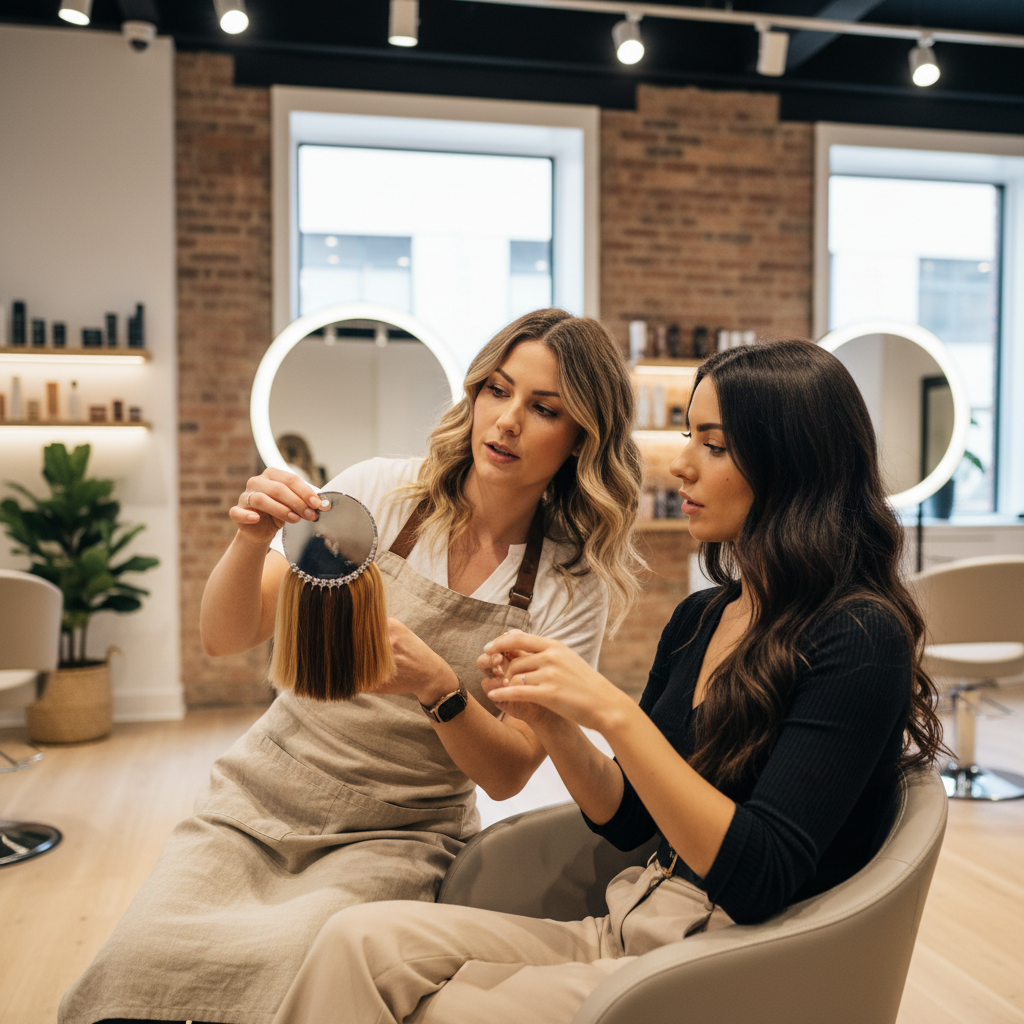
- Major lift (dark to blonde, or multiple levels lighter) especially on previously dyed hair.
- Color correction: patchy bands, green tones, or very uneven results.
- Scalp issues like open sores or active dermatitis, coloring can irritate, a dermatologist may be a better first stop.
According to the U.S. Food and Drug Administration (FDA), hair dye safety depends on proper use and following label directions, so treat instructions and patch testing as non-negotiable, not optional.
Conclusion: picking the best DIY color without overcomplicating it
The best hair color for dark hair diy is usually the one that matches your real goal: deposit and tone for shine and richness, permanent color for grays, and cautious lightening only when you’re ready to manage warmth and maintenance. If you want an easy win, choose a brunette shade close to your base, apply with clean sectioning, and use a gloss or blue-toning care to keep it looking expensive.
Action steps: pick your path using the self-check above, then buy for the job, not the fantasy shade on the box. If you’re aiming for major lift or your hair already has color history, consider a pro consult, even a short one can prevent months of fixing.
FAQ
What is the best hair color for dark hair diy if I want a natural look?
Deep neutrals like espresso, dark chocolate, and mocha usually read natural because they enhance what you already have, they also fade more gracefully than dramatic cool shades.
Can I go from dark brown to light brown at home without bleach?
Sometimes you can lift a little with permanent color, but big jumps often turn warm and uneven. If you want a clear “lighter brown” result, bleach plus toning may be involved, and that’s where DIY risk increases.
Why does my dark hair turn orange when I dye it lighter?
Dark hair contains strong warm underlying pigment. When you lighten, those warm tones show through unless you lift enough and then tone correctly.
Is demi-permanent color good for covering grays on dark hair?
It can help blend early grays, especially if coverage needs are light. For stubborn or heavy gray coverage, permanent formulas usually perform better, though it varies by product.
What’s better for brunettes: purple shampoo or blue shampoo?
Blue shampoo is typically more useful for brunette brassiness because it targets orange tones. Purple is better for yellow, which often shows up more on lighter hair.
How do I avoid hot roots when coloring dark hair at home?
Control timing and placement. Scalp heat speeds processing, so applying to mids/ends first (when appropriate) and finishing at roots can reduce that lighter-root effect.
How often should I touch up roots if I use permanent dye?
Many people end up around every 4–6 weeks, depending on growth speed and contrast. Lower-contrast shades and gloss strategies can stretch the timeline.
If you’re trying to choose the best hair color for dark hair diy but you’re juggling brassiness, grays, and a fear of damage, a simple plan often beats a dramatic one, start with a tone-correcting gloss or demi shade, then step up only if the first result feels solid.