
How to dress well on a budget starts with one honest shift, you’re not trying to buy “more,” you’re trying to buy “right,” pieces that fit, mix easily, and don’t fall apart after two washes.
If you’ve ever walked out of a store with a bag full of “deals” and still felt like you had nothing to wear, you’re not alone. Budget style gets frustrating because the mistakes are sneaky, wrong sizes, trendy items that don’t match anything, and cheap fabric that looks tired fast.
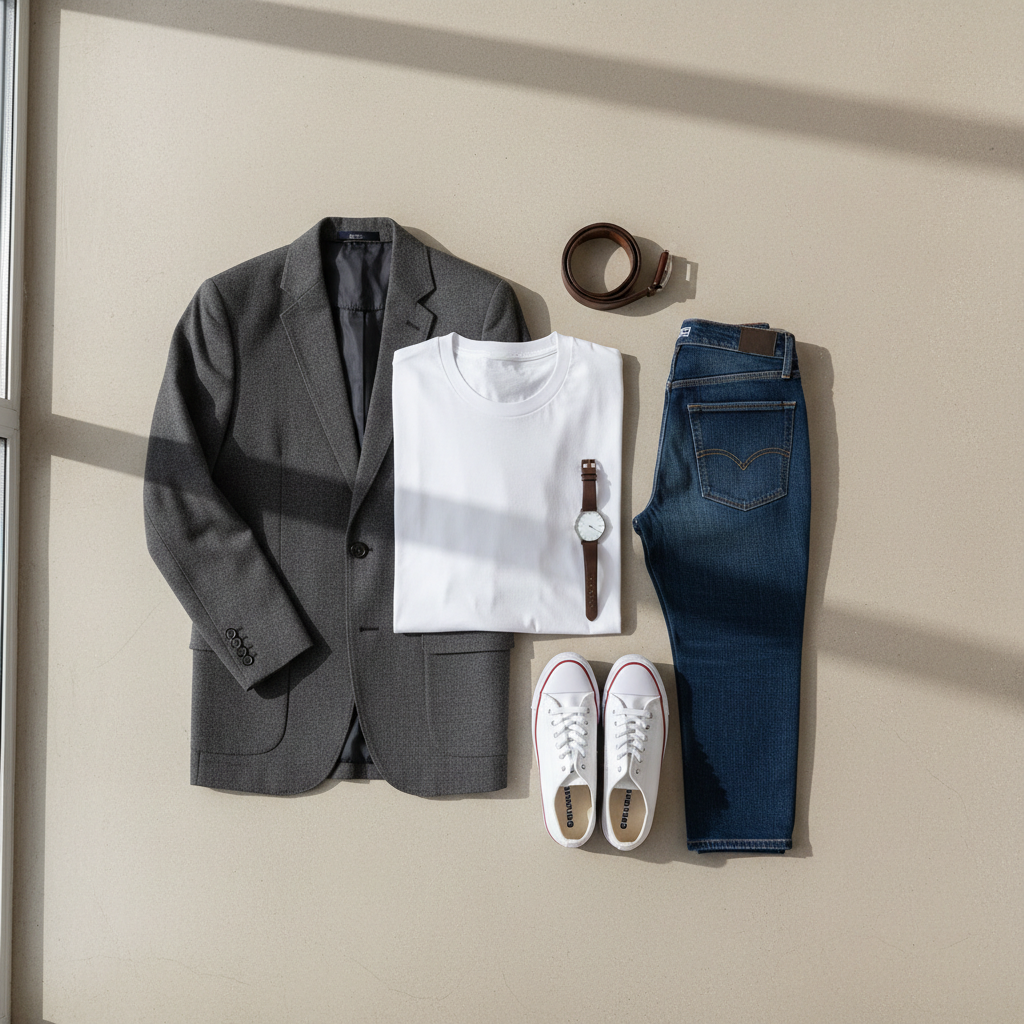
This guide focuses on what actually moves the needle in real life: choosing better basics, buying fewer but stronger items, using secondhand without looking “thrifted,” and getting fit right without spending tailor-level money every month. You’ll also get a simple checklist, a small budget plan, and outfit formulas you can repeat.
Spend like a stylist: the 80/20 of looking “put together”
Most people think style comes from expensive brands, but the “expensive look” usually comes from a few controllable things. If you nail these, even a $20 item can read as intentional.
- Fit beats price: shoulder seams sitting right, sleeves not swallowing your hands, pants hem not puddling.
- Fabric and structure: thicker tees, denim with a bit of weight, knits that hold shape, jackets with clean lines.
- Simple color story: a small palette makes outfits look planned, not random.
- Shoes and grooming: clean sneakers, conditioned leather, lint-free clothes, neat hair. Small, but loud.
According to FTC guidance on shopping and advertising, it’s smart to look past “was $X, now $Y” tags and compare value across stores, because markdowns don’t always reflect true savings. In practice, that means you focus on cost per wear, not just the discount.
Quick self-check: are you budget shopping or budget leaking?
Before you change your closet, check where your money actually goes. A lot of “I can’t afford to dress well” situations are really “I keep rebuying the same category.”
Signs you’re leaking budget
- You own multiple “almost right” pieces and still avoid them.
- You buy trend items first, then scramble for basics later.
- Your closet has lots of colors/patterns that don’t mix.
- Your shoes look worn before your clothes do.
- You frequently return items because sizing feels inconsistent.
Signs you’re spending wisely
- Most tops work with most bottoms.
- You can build 5+ outfits from 10–12 pieces.
- You know your go-to silhouettes (straight leg vs slim, cropped vs full length, etc.).
- You have one “upgrade layer” (blazer, chore jacket, denim jacket, cardigan) that elevates basics.
Build a small “capsule core” before you chase trends
If your goal is how to dress well on a budget, a capsule core is the shortcut. Not a strict minimalist closet, just a reliable base that makes everything else easier.
Think in categories, not individual items. Your list will vary by climate and lifestyle, but these are common anchors for many people in the U.S.:
- Tops: 2–3 solid tees, 1 nicer knit or button-down, 1 casual overshirt
- Bottoms: dark jeans, neutral chinos or trousers, optional weekend pant
- Layers: a clean jacket or blazer, a mid-layer (sweater or hoodie that holds shape)
- Shoes: clean sneakers, one dress-casual option (loafers, boots, simple flats)
- Accessories: belt that matches shoes, simple bag, minimal jewelry/watch

Once the core works, trends become small add-ons instead of expensive detours. That’s the difference between “budget style” and “cheap-looking.”
Where to shop (and what to buy) when money is tight
Not all categories deserve the same dollars. Some items look fine cheap, others punish you quickly with bad fit and fast wear.
A practical “spend vs save” table
| Category | Usually worth spending a bit more | Often safe to save |
|---|---|---|
| Shoes | Comfort, durability, materials | Trend colors, seasonal styles |
| Outerwear | Coats, jackets with structure | Light layers, casual overshirts |
| Jeans/Pants | Fit, fabric weight, consistent sizing | Simple basics when fit is proven |
| T-shirts | Heavier cotton, better collars | Plain tees on sale (if not see-through) |
| Accessories | Leather belt/bag if you use daily | Jewelry, sunglasses (within reason) |
Secondhand without the “random closet” vibe
- Search by specific item + fabric, like “wool coat,” “linen shirt,” “leather boots,” not just brand names.
- Filter for excellent condition, then inspect photos for pilling, shiny fabric wear, stretched collars.
- Stick to your palette, if you wouldn’t buy it new, don’t buy it because it’s $9.
- Prioritize items where secondhand shines: blazers, coats, denim, leather.
According to USPS guidance on mail and shipping safety, online resale works best when you keep records and use secure payment and tracked shipping. That’s boring advice, but it prevents “budget wins” from turning into headaches.
Outfit formulas that look sharp with fewer pieces
When people ask how to dress well on a budget, they often want “outfits,” not theory. Outfit formulas solve decision fatigue and reduce impulse buying because you know what you’re building toward.
5 repeatable formulas
- Monochrome base + one layer: black/gray/cream top and bottom, plus a jacket.
- Button-down + straight-leg pants + clean shoes: works casual to business-casual depending on fabric.
- Tee + overshirt + jeans: easy upgrade from a plain tee/jeans look.
- Knitted top + tailored pant: comfort with structure, looks “grown up” fast.
- Simple dress or matching set + one accessory: one clean focal point, minimal effort.

Key point: these formulas rely on clean lines and consistent colors, not expensive labels. If something feels off, it’s usually fit or shoe choice, not your budget.
Practical steps: a 30-day budget style plan
You don’t need a closet reset weekend. You need a short plan that prevents “panic shopping” right before events.
Week 1: audit and measure
- Try on your top 15 items, keep only what fits right now.
- Write down your “gap list” by category, not by brand.
- Note your sizes across two stores you trust, sizing swings a lot by retailer.
Week 2: buy the connectors
- Connectors are pieces that make other pieces wearable, think a neutral shoe, a belt, a simple jacket.
- Pick 2–3 connectors before you buy another statement item.
Week 3: upgrade one high-impact item
- Choose one of: shoes, jacket, jeans. Buy the best version you can realistically afford.
- Wait 48 hours before checkout, impulse is expensive.
Week 4: tailor, repair, care
- Hem pants, replace buttons, shave pills, clean shoes.
- Even small fixes can make cheap items look intentional.
Mistakes that make budget outfits look cheaper than they are
Some “savings” create the exact look you’re trying to avoid. These are common, and fixable.
- Too many logos: if the logo is the outfit, it tends to read juvenile, even when it’s pricey.
- Over-washing: hot water and high heat can warp fit and fade color fast, check care labels.
- Ultra-thin basics: see-through tees and flimsy knits rarely look polished under indoor lighting.
- Wrong shoe for the outfit: athletic shoes with dressier pants can work, but the shoe must look clean and minimal.
- Buying for fantasy life: formalwear for a calendar that’s mostly casual ends up untouched.
One more thing people underestimate, lint and wrinkles. A $12 lint roller and a basic steamer often deliver a better “upgrade” than another shirt.
When it’s worth getting help (or paying for a fix)
If you keep spending and still feel stuck, you may need a different kind of support than “more shopping.”
- Tailoring: hemming pants or taking in a waist can change everything, especially for blazers and trousers.
- Styling consult: even a short session can clarify colors and silhouettes, costs vary by provider.
- Foot comfort issues: if shoes regularly cause pain, consider better insoles or consult a qualified professional, comfort affects posture and how clothes drape.
And if you’re dealing with frequent weight changes, a tight budget approach often works better with flexible fits, stretch fabrics, and layering rather than rigid “perfect fit” pieces.
Conclusion: look expensive by being intentional, not by overspending
How to dress well on a budget is mostly about removing waste, buying fewer connectors, and getting fit and care right, once those are handled, your wardrobe starts doing the work for you.
Your next move can be simple: pick a tight color palette for the next month and upgrade one high-impact category, usually shoes or a jacket, then stop. Give your closet time to become consistent.
Key takeaways
- Fit, fabric, and clean styling create the “put together” look faster than brands do.
- Build a capsule core, then add trends in small doses.
- Spend a bit more on shoes and outerwear, save on simple basics.
- Use repeatable outfit formulas to reduce impulse shopping.
FAQ
- What are the best stores for dressing well on a budget in the U.S.?
It depends on your style and sizing, but many people do well with a mix of outlet/sale sections for basics and secondhand for jackets, denim, and leather, consistency matters more than the store name. - How can I look more expensive without buying designer?
Prioritize fit, keep a simple color palette, and keep shoes clean, polished basics read “intentional” even at lower prices. - Is thrifting worth it if I don’t have time?
Usually yes if you search with a plan, a short list and specific fabrics helps, otherwise thrifting can turn into random buying that doesn’t build outfits. - How many clothes do I actually need?
Enough to cover your week comfortably with a few backups, many people can run strong with 10–15 core pieces per season if items mix well. - What should I tailor first?
Pant hems and sleeve lengths tend to give the biggest visual payoff for the lowest cost, especially if you wear those items often. - How do I stop impulse buys during sales?
Keep a gap list on your phone, wait 48 hours, and only buy items that complete at least two outfits you can name before checkout. - Can I dress well on a budget for business casual?
Yes, focus on a clean shoe, a neutral pant, and one structured layer, a simple button-down or knit often works better than loud patterns.
If you’re trying to make how to dress well on a budget feel simpler, start by listing your three most-worn situations, work, weekend, going out, then build one repeatable outfit formula for each, it’s a small step that often cuts spending and stress at the same time.