
Best duffle bags for weekend trip searches usually come from one very real problem, you want to pack for 2–3 days without dragging a suitcase, but your current bag either collapses into a mess, hurts your shoulder, or fails the “fits in the overhead bin” test.
The good news is you don’t need a huge bag, you need a bag with the right shape, carry options, and materials for how you actually travel, quick road trips, short flights, or train weekends where you walk more than you expect.
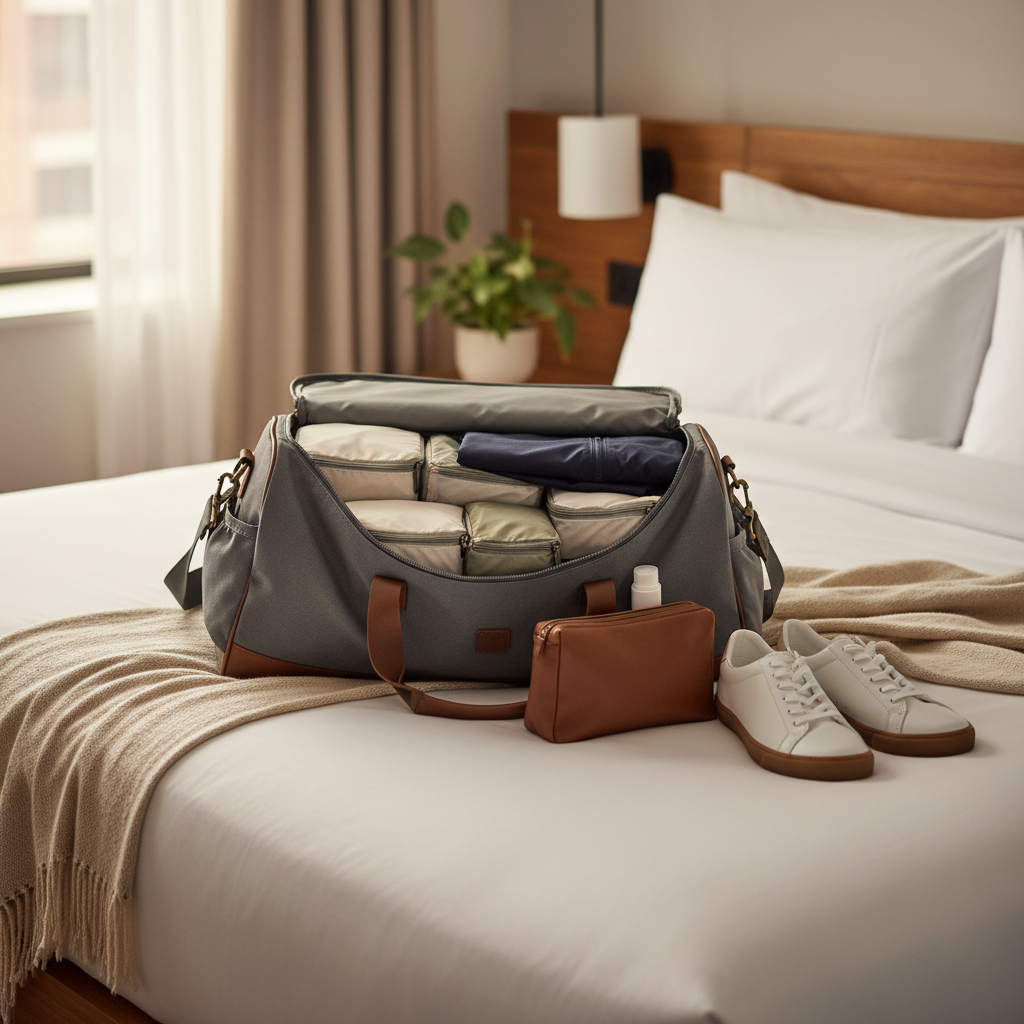
What trips people up is buying based on “liters” or a trendy look, then realizing the zipper catches, the strap slides, or there’s nowhere safe for a laptop. This guide breaks down what matters in 2026, plus a simple way to choose fast.
What actually makes a duffle great for a weekend trip
Most weekend packing lists look similar, a couple outfits, one extra pair of shoes, toiletries, maybe a light tech setup. The bag has to make that load feel smaller, not more annoying.
- Right capacity: for most people, 30–45L works for a 2–3 day trip, 45–55L fits bulkier items or winter layers but can get tight on airlines.
- Structure: a lightly structured base keeps the bag from slumping, so you’re not digging for socks in a nylon cave.
- Carry comfort: a wide shoulder strap with real padding, plus grab handles that don’t bite your hand.
- Pockets that match reality: one quick-access pocket, one internal zip for small items, and ideally a separate shoe or laundry area.
- Materials you can trust: durable nylon, canvas, or coated fabrics with solid stitching at stress points.
According to TSA, carry-on screening works best when you can remove electronics quickly, so a quick-access pocket or a simple laptop sleeve can save time if you fly often.
Quick decision checklist: which type of weekend traveler are you?
If you want to pick the best duffle bags for weekend trip use cases quickly, start here, your “type” usually predicts what features you’ll value after the first annoying trip.
- Mostly driving: prioritize a wide opening, durable base, and easy-to-clean lining, weight matters less.
- Mostly flying carry-on: prioritize dimensions, lighter materials, and a sleeve that slides onto a rolling suitcase handle.
- Walking a lot: prioritize backpack straps or very comfortable shoulder carry, plus balance, a long, floppy bag gets old fast.
- Gym-to-weekend combo: prioritize ventilation or a shoe compartment, and a liner that wipes clean.
- Work + weekend: prioritize a laptop section and a “not-too-sporty” look that won’t feel awkward in a meeting.
A small but useful tell, if you often pack an extra pair of shoes, you’ll want either a dedicated shoe pocket or enough structure that shoes don’t crush everything else. If you never pack shoes, don’t pay for that space.
2026 buying criteria that matter more than brand names
Brand can signal quality, but weekend duffles live or die on details. These are the ones that tend to separate “looks good online” from “still using it next year.”
Size and shape (this is where most bad buys start)
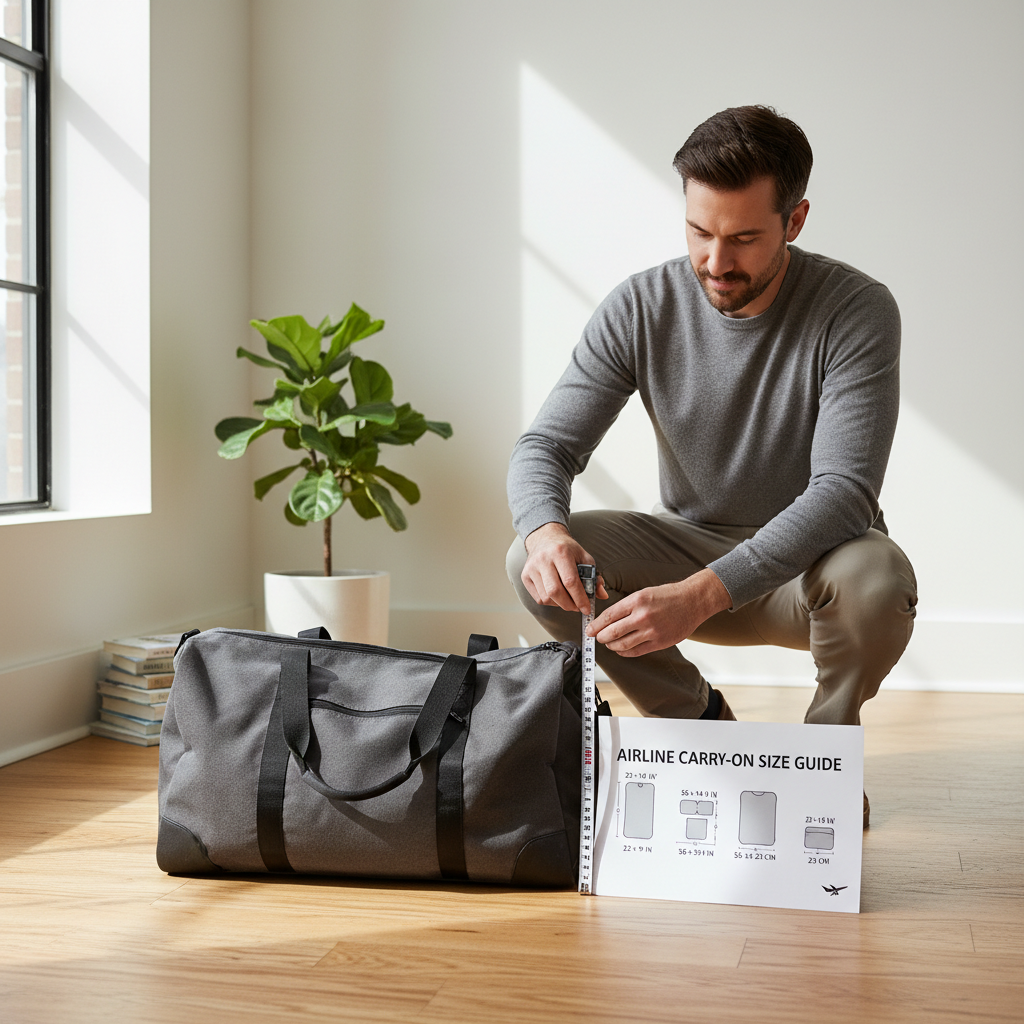
Many people pick 60L because it feels safe, then they overpack and hate carrying it. For most weekend trips, a bag that stays under typical carry-on limits is the safer bet, but airline rules vary, so confirm with your carrier.
- 30–40L: minimalist packers, warm weather weekends, personal-item + small duffle combos.
- 40–50L: the sweet spot for most travelers, especially if you use packing cubes.
- 50–55L: winter layers, boots, or bringing gear, still manageable if the bag carries well.
Zippers, stitching, and hardware
Look for smooth zippers that don’t snag at corners, reinforced stitching where straps meet the bag, and metal or high-grade plastic hardware. These spots fail first because they take the full load, every trip.
Weather resistance vs true waterproofing
Most “water-resistant” duffles handle light rain, but heavy downpours or setting the bag on wet ground can still soak seams. If you travel in wet climates, a coated fabric and a protected zipper track usually help more than you’d think.
Comparison table: match features to your weekend trips
Use this as a quick filter. It’s not a ranking, it’s a way to avoid paying for features you’ll never use, or missing the one feature you’ll complain about later.
| Weekend scenario | Ideal capacity | Carry style | Must-have features | Nice-to-have |
|---|---|---|---|---|
| 2-day city getaway (walk + transit) | 35–45L | Shoulder + sturdy handles | Structured base, quick pocket | Luggage pass-through |
| Carry-on flight weekend | 40–50L | Light shoulder carry | Airline-friendly shape, smooth zips | Simple laptop sleeve |
| Road trip (trunk life) | 45–55L | Handles matter most | Wide opening, durable bottom | Compression straps |
| Gym + weekend combo | 35–45L | Shoulder or backpack | Shoe/laundry separation, wipe-clean lining | Vent panels |
| Work + weekend (laptop included) | 40–50L | Shoulder + pass-through | Protected tech pocket, clean silhouette | Key leash |
How to pack a weekend duffle so it feels lighter
Even the best duffle bags for weekend trip packing can feel awful if everything floats loose. The goal is a stable core, with quick-access items where your hand naturally goes.
- Build a base: shoes or heavier items at the bottom, near the center of the bag.
- Use two packing cubes max: one for clothes, one for underwear and smaller items, more cubes often wastes space in duffles.
- Toiletries near the opening: easier for security checks and bathroom stops.
- One “grab pouch”: chargers, meds, earplugs, and a pen, so you don’t rummage in public.
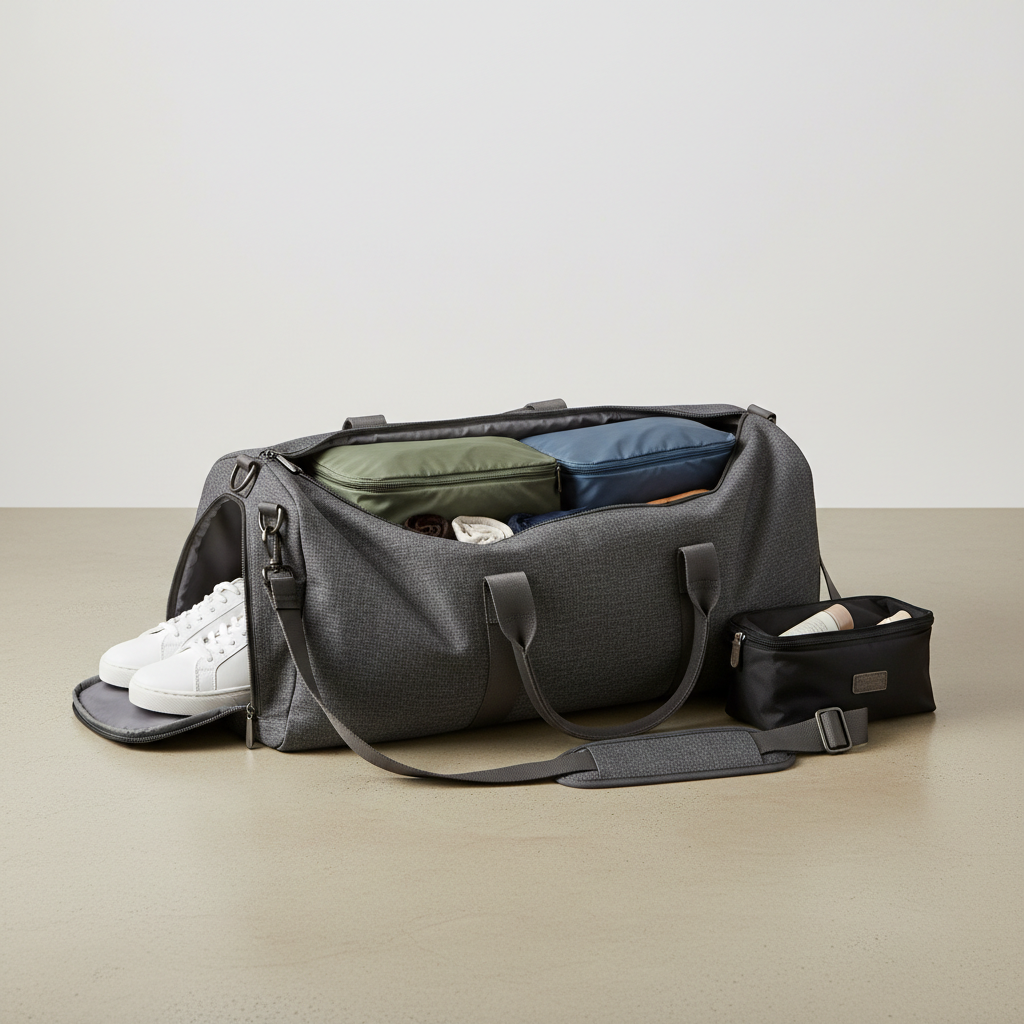
If you fly, keep liquids accessible and electronics easy to pull. According to FAA, lithium batteries and power banks should typically stay in carry-on baggage, so a top pocket you can reach quickly is practical.
Common mistakes people make when choosing a weekend duffle
- Buying too big “just in case”: it invites overpacking, then shoulder carry becomes a chore.
- Ignoring strap comfort: a thin strap can feel fine in a store, then it hurts after two blocks.
- Overvaluing pockets: too many compartments can reduce usable space and slow packing.
- Assuming “waterproof” means worry-free: seams and zippers matter, and many bags are only water-resistant.
- Skipping the return-window test: load it at home, carry it for 10 minutes, check zipper behavior, then decide.
This is also where “cheap now” can become expensive later. You don’t need luxury, but you do want hardware that doesn’t fail when you’re rushing to check out.
When it’s worth getting help (or going more specialized)
If you’re dealing with back or shoulder pain, a duffle might be the wrong carry style even if it’s the “right” size. In that case, a backpack-style duffle or a small roller can reduce strain, and if pain is persistent, it’s smart to consult a medical professional.
Also consider specialized options if you routinely carry fragile work gear, camera equipment, or sports equipment. A general weekend bag can work, but many setups benefit from padded sections and more rigid protection.
Key takeaways for choosing a weekend duffle in 2026
- Start with your trip type, not the trendiest bag silhouette.
- 40–50L fits most weekends, and usually keeps you closer to carry-on-friendly packing.
- Comfort beats clever features, a good strap and structure matter every single trip.
- Test-pack once during the return period, it reveals issues fast.
If you want a practical next step, pick a target capacity, list your non-negotiables in one line, then shop with those filters only. You’ll avoid 80% of the distractions.
FAQ
What size counts as a “weekend trip” duffle bag?
For many people, 30–45L covers a simple 2–3 day trip, while 45–55L helps if you pack bulkier layers or extra shoes. The right size depends on climate, outfits, and whether you re-wear pieces.
Are duffle bags acceptable as carry-on luggage?
Often yes, but airlines set their own size rules and enforcement can vary by route and staff. Soft-sided duffles can be forgiving because they compress, but you still want to stay close to published limits.
What features matter most for the best duffle bags for weekend trip flights?
Weight, a comfortable strap, smooth zippers, and a shape that fits overhead bins matter more than extra pockets. A luggage pass-through is a small feature that feels big if you connect flights with a rolling carry-on.
Is a waterproof duffle bag necessary for short trips?
Many travelers do fine with water-resistant fabric, especially for city weekends. If you expect rain, snow, or boat travel, coated materials and protected zippers become more relevant than marketing labels.
How do I keep a duffle bag from becoming a cluttered mess?
Use one or two packing cubes, put heavy items at the bottom center, and keep toiletries and chargers in a single pouch. Duffles pack best when you limit “loose” items.
Duffle vs backpack for a weekend getaway, which is better?
A duffle is easy to pack and fits weird spaces in cars or overhead bins, while a backpack usually carries more comfortably for longer walks. If you frequently walk a lot, backpack-style carry often wins.
Can I put a laptop in a regular duffle bag?
You can, but it’s safer with a padded sleeve or a dedicated pocket, especially if the bag will be tossed into a trunk or overhead bin. If you commute with tech often, prioritize protection.
If you’re trying to narrow down the best duffle bags for weekend trip use without wasting hours comparing specs, it can help to share your typical trip style and what you always pack, then choose a bag category first and brand second, it’s a more reliable shortcut.