
Secondhand fashion style works best when you treat thrift finds like building blocks, not random “lucky” pieces, you need a few repeatable outfit formulas, a simple quality check, and a plan for fit.
A lot of people quit after a couple of disappointing hauls, things look great on the rack, then feel off at home, or the outfit reads “thrifted” in the wrong way. The fix usually is not buying more, it is choosing smarter and styling tighter.
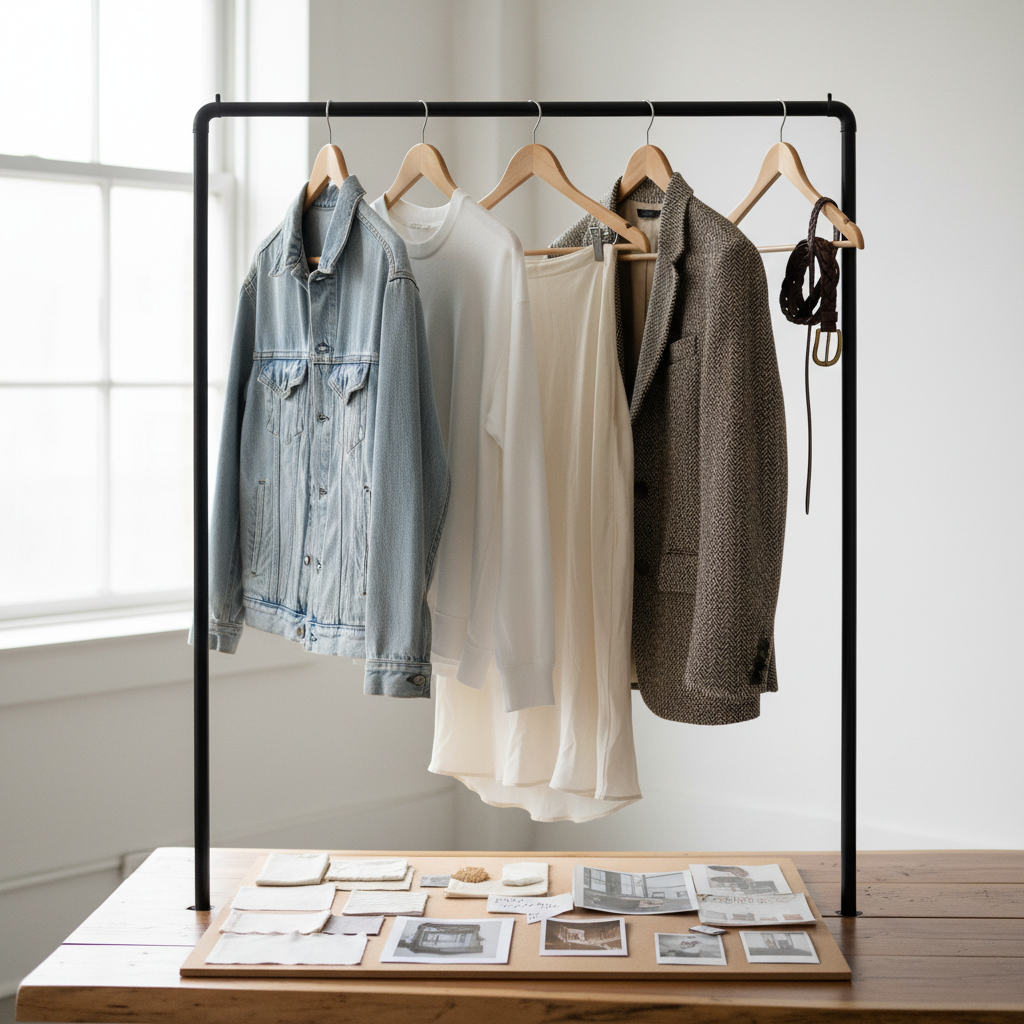
This guide focuses on what actually helps in real closets, how to spot pieces worth tailoring, how to avoid “costume vibes,” and how to repeat looks without repeating outfits. You will also get a quick checklist, a table of outfit formulas, and practical steps you can use on your next thrift run.
Why secondhand outfits sometimes look “off”
Most style frustration comes from a few predictable issues, and once you name them, they become fixable.
- Fit mismatch: secondhand sizing varies by decade and brand, so a “medium” can wear like a small or a large, and shoulder seams often decide whether an item looks sharp or sloppy.
- One statement piece too many: vintage print top + loud belt + distressed denim can tip into costume territory, one hero item per outfit usually reads more intentional.
- Fabric fatigue: shine on knees, pilling, thinning elbows, or a warped collar may not show under thrift-store lighting, but it shows fast in daylight.
- Color drift: thrifting tends to pull you into random colors, then nothing matches at home, a small palette keeps things wearable.
- Closet gaps: you find great jackets and cool tops, but no shoes, belt, or everyday bag to anchor the look, accessories often “finish” secondhand style.
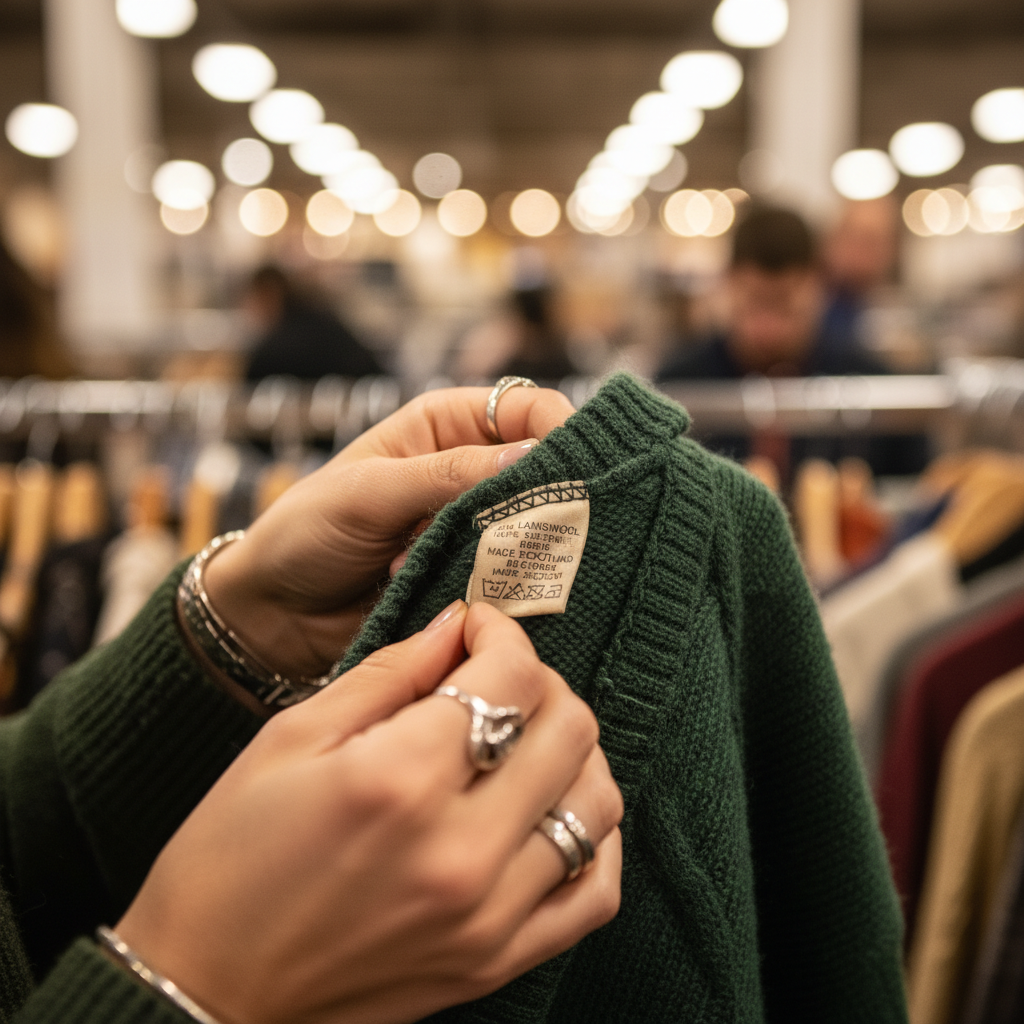
According to the Federal Trade Commission (FTC), garment care labels provide guidance for cleaning and maintenance, and checking fiber and care instructions helps you avoid items that are costly or risky to care for at home.
Quick self-check: what kind of thrifter are you?
Before you change your shopping, figure out which pattern you fall into, because the solution differs.
- You buy vibes: you love the idea of the piece, but it does not fit your actual life, you need outfit formulas tied to your weekly routine.
- You buy bargains: price drives choices, not wearability, you need a strict “3-outfit test” before checkout.
- You buy projects: you assume you will tailor, dye, hem, or repair later, you need a limit on “fixer uppers.”
- You buy duplicates: five similar black tops, but no bottoms you like, you need a gap list and a stop list.
Key point: secondhand fashion style gets easier when you shop for combinations, not individual pieces.
Outfit formulas that make thrift finds look intentional
If you want reliability, steal simple shapes and repeat them with different textures, washes, and accessories.
| Formula | What to thrift | Why it works | Easy upgrade |
|---|---|---|---|
| Blazer + tee + straight jeans | Wool blazer, heavy cotton tee | Structured top balances casual denim | Add a leather belt and loafers |
| Button-down + tank + relaxed trousers | Oversized shirt, pleated pants | Layering adds polish without effort | Half-tuck and add simple jewelry |
| Slip skirt + sweater + sneakers | Bias skirt, knit with good cuffs | High-low mix looks current | Swap sneakers for ankle boots |
| Denim jacket + midi dress | Classic denim, solid-color dress | Gives shape and casual balance | Add a crossbody bag |
| Vintage graphic tee + clean trousers | Soft tee, tailored pants | One nostalgic piece, one modern piece | Gold hoops or a sleek watch |
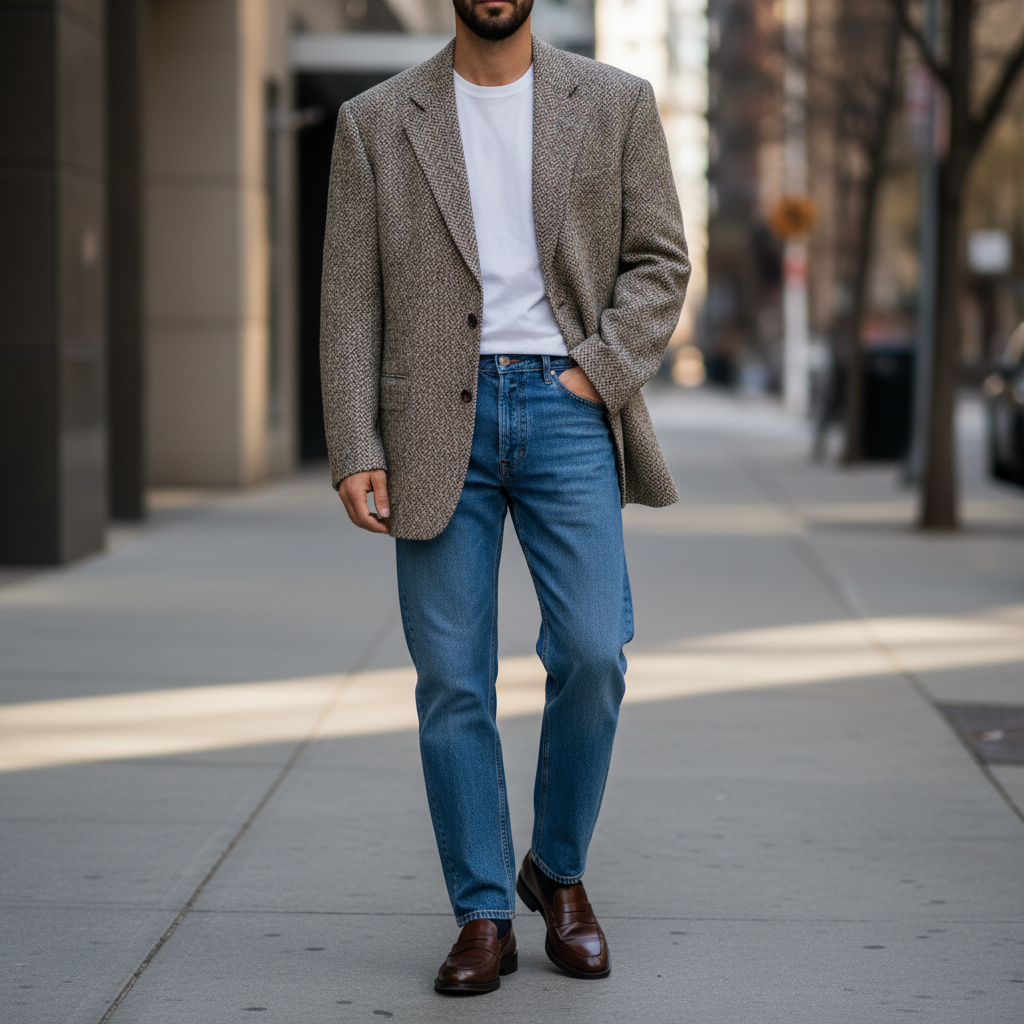
When you are unsure, build around one “anchor” category that is easier to thrift, many people find blazers, denim, and knits more consistently than perfect-fitting pants.
How to shop smarter: a simple rack-to-checkout system
This is the part that saves money and regret, it also makes your closet feel cohesive.
The 60-second quality check
- Seams and stress points: check underarms, crotch seams, pocket corners, and sleeve cuffs for thinning or tearing.
- Fabric feel: overly thin cotton, crunchy knits, or sticky synthetics often wear poorly, unless you truly love the piece and price reflects it.
- Hardware: zippers should glide, buttons should feel secure, and snaps should align.
- Stains and odors: hold items near natural light when possible, some stains set permanently, strong odors can be stubborn.
The “3-outfit test”
Before you buy, name three outfits using items you already own, if you cannot, it is usually a pass, even if it is cheap.
Shop with a color and texture plan
- Pick 2 neutrals you wear constantly, plus 1 accent color.
- Choose 2 textures that make secondhand pieces look richer, denim, leather, wool, linen, heavier cotton.
- Keep prints limited, one print category per season often looks more pulled together.
Making thrifted pieces fit like they were meant for you
Fit is where secondhand fashion style becomes “wow,” even small changes matter.
- Prioritize shoulders: tailoring shoulders can be expensive or impossible, if shoulders are wrong, move on.
- Hem everything you actually wear: pants and skirts that hit the right spot instantly look more modern.
- Use belts strategically: belting a loose blazer or dress can create shape, but do it intentionally, not as a default.
- Know your tailor-worthy items: wool coats, blazers, higher-quality trousers, and simple dresses often justify minor alterations.
According to the American Cleaning Institute, cleaning methods vary by fabric and care label, so if you are unsure about washing a delicate thrift find, dry cleaning or a professional cleaner might be the safer route.
If you deal with skin sensitivities, some dyes, fragrances, or detergents may irritate, patch testing and a gentle wash routine can help, and if reactions persist, it is smart to consult a medical professional.
Common mistakes that quietly sabotage your look
- Over-thrifting basics: it sounds backward, but cheap, worn-out “basic tees” can drag the whole outfit down, pick fewer, better basics.
- Ignoring footwear: shoes set the era, swapping dated shoes for clean sneakers, loafers, or simple boots modernizes thrifted outfits fast.
- Skipping a steamer: wrinkles can make great fabrics look tired, a quick steam often changes the entire impression.
- Keeping everything “just in case”: clutter hides your best pieces, a smaller, wearable rotation makes styling easier.
Key takeaway: a curated closet beats a huge closet, especially when you rely on secondhand pieces with different cuts and eras.
When to get extra help (tailor, cobbler, or stylist)
Sometimes the most sustainable move is paying for expertise once, instead of buying ten “almost” items.
- Tailor: if a blazer fits in shoulders but needs waist shaping or sleeve shortening, or if trousers need hemming for your daily shoes.
- Cobbler: if you thrift leather shoes or boots with good uppers but worn soles, resoling can extend life, cost varies by city and shoe construction.
- Stylist or personal shopper: if you feel stuck repeating the same safe outfit, a single session can clarify color palette, silhouettes, and what to stop buying.
If you buy secondhand online and suspect a counterfeit item, especially with luxury goods, consider authentication services or ask a reputable reseller, policies and reliability vary, so read terms carefully.
Practical next steps: your next thrift trip plan
- Write a 5-item “gap list” (example: black belt, straight jeans, loafers, white button-down, lightweight jacket).
- Set a try-on target: try 15 items, buy up to 3 that pass the 3-outfit test.
- Take fitting-room photos: front, side, back, it reveals proportions better than mirrors.
- Plan your cleaning: check care labels before you commit, so you do not buy something you cannot maintain.
Do this for a month and you will usually feel the difference, fewer impulse buys, more outfits you actually reach for, and a secondhand fashion style that reads confident instead of chaotic.
Conclusion
Secondhand fashion style becomes consistent when you rely on a few outfit formulas, a fast quality check, and a realistic approach to fit. Keep one hero piece per look, anchor outfits with solid shoes and accessories, and do not be afraid to tailor the items that truly deserve it.
If you want a simple action, pick one formula from the table and build it three ways using what you own, then thrift only for the missing pieces, that is how thrift shopping starts feeling like strategy instead of gambling.
FAQ
How do I make secondhand clothes look modern instead of costume-y?
Limit the outfit to one vintage statement and pair it with clean, current basics, modern shoes and a simple bag do a lot of heavy lifting.
What are the easiest items to thrift for a beginner?
Denim jackets, wool coats, sweaters, and button-down shirts tend to be easier because fit is more forgiving than tailored pants, you can refine fit later with simple alterations.
How many items should I buy on one thrift trip?
It depends on budget, but many people do better with a cap, like 1–3 purchases, it forces you to choose pieces that actually work with your closet.
Is it worth tailoring thrifted clothing?
Often yes for higher-quality fabrics and structured pieces, but get a quote first, if tailoring costs more than you would pay for a similar item new, it may not be worth it.
How can I tell if fabric is too worn to buy?
Look for pilling, thinning at stress points, shine on knees or elbows, and warped collars, if the fabric already looks tired in good light, it usually will not “bounce back.”
What should I do about thrifted clothes that smell?
Start with care-label-safe washing and airing out, some odors can linger in certain synthetics, if you cannot remove it without harsh treatment, it may not be a good buy.
How do I build a color palette for thrifting?
Choose two neutrals you already wear constantly, then one accent color you genuinely like on yourself, this keeps secondhand finds mixable even when brands and eras vary.
If you are trying to build a secondhand wardrobe but keep ending up with “close but not quite” pieces, it may help to create a short gap list and a couple of go-to outfit formulas, then thrift with that plan so each purchase has a clear job in your closet.