
how to repair damaged hair fast starts with a slightly boring truth, you can’t “heal” a hair strand the way skin heals, but you can smooth the cuticle, reduce breakage, and make hair feel dramatically better within days.
If your hair feels like straw, snaps when you detangle, or refuses to hold moisture, you’re not imagining it, damage changes how the fiber behaves, and random product hopping usually makes it worse.
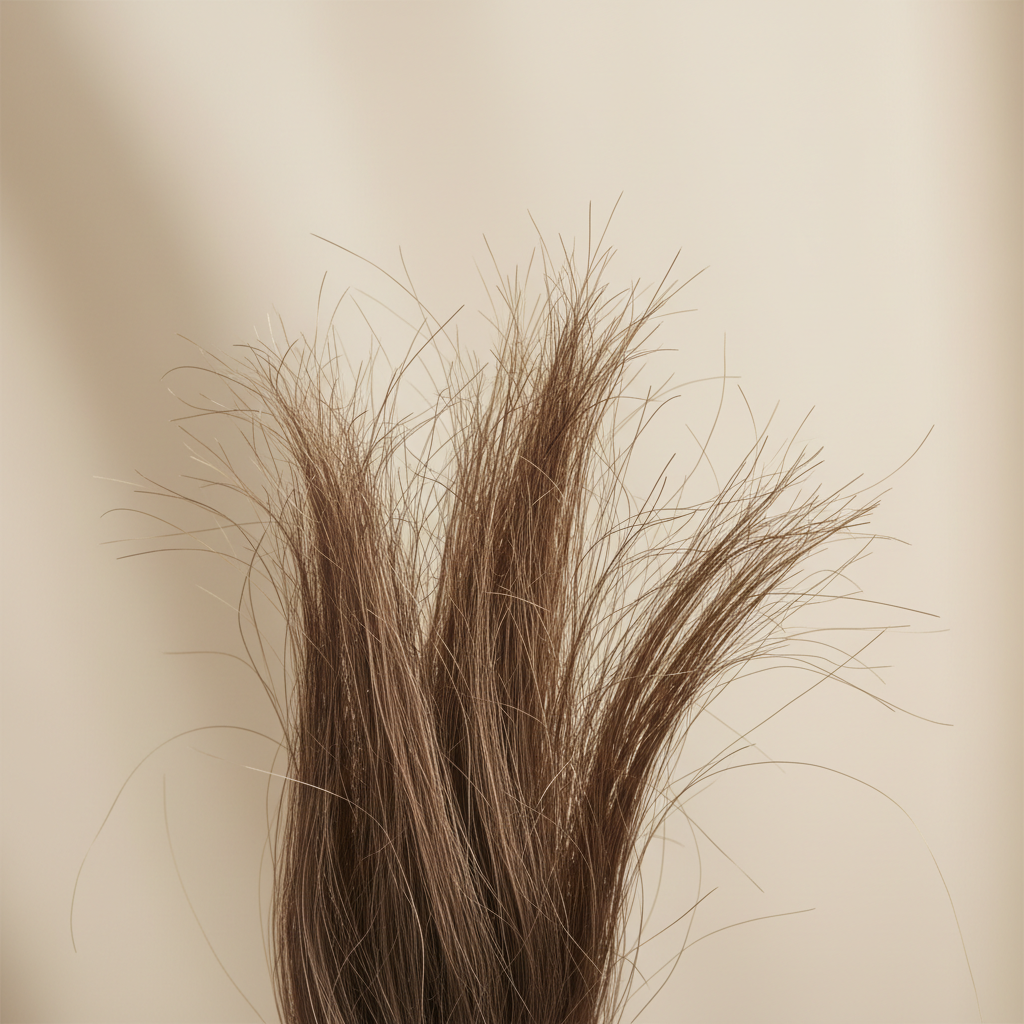
This guide stays practical, you’ll get a quick damage check, a “next 7 days” rescue routine, and a longer plan for bleach, heat, and color damage. I’ll also point out where people overdo protein or oils, because that’s a common trap.
What “damaged hair” usually means in real life
Most damage is a mix of cuticle wear and internal structural loss, think of the hair shaft like a rope with an outer shield. When that shield chips away, hair tangles, frizzes, and breaks easier.
- Heat damage: repeated high temps can weaken the hair’s proteins and raise the cuticle, often shows up as roughness and mid-length breakage.
- Chemical damage: bleach, relaxers, perms, and frequent coloring can change the hair structure, you may see mushy wet hair, snap-off, or extreme dryness.
- Mechanical damage: aggressive brushing, tight styles, or rough towel drying, this one is sneaky because it builds over time.
According to the American Academy of Dermatology Association, minimizing heat styling and chemical processing helps prevent hair shaft damage, and when breakage is significant, it’s reasonable to ask a board-certified dermatologist for guidance.
Quick self-check: what type of damage are you dealing with?
Before you buy anything, figure out what your hair is “asking for.” The fix for over-processed bleach hair often looks different from damage caused by daily flat ironing.
Two-minute checklist
- Breaks when wet or feels gummy: often points to chemical over-processing, bond support and gentle handling matter most.
- Feels stiff and rough, tangles instantly: often needs conditioning, cuticle smoothing, and less friction.
- Frizz halo + dullness even after conditioner: likely cuticle wear and heat, you’ll want heat protection plus regular deep conditioning.
- Crunchy ends that won’t improve: you may be past “repair,” a trim can be the fastest win.
Simple strand test (use it carefully)
After washing, take one shed hair and gently stretch it. If it barely stretches and snaps, you may need more moisture and less friction. If it stretches too far and feels mushy, you may need a cautious balance of bond-building and protein, plus a break from harsh processing.
The fast fixes that actually make a difference this week
If you’re trying to repair damaged hair fast, focus on lowering daily damage while improving feel immediately, that combo is what people perceive as “repaired.”
- Trim the worst ends: even 1/4 inch can reduce tangling and snap-off, it’s not defeat, it’s strategy.
- Switch to gentle wash habits: lukewarm water, shampoo the scalp, let suds rinse through lengths.
- Condition like you mean it: use enough product, detangle with slip, rinse well to avoid buildup.
- Stop dry detangling (for most textures): detangle on damp hair with conditioner or a leave-in for lubrication.
- Use heat less often, and lower temp: many people don’t need the highest setting to get results.
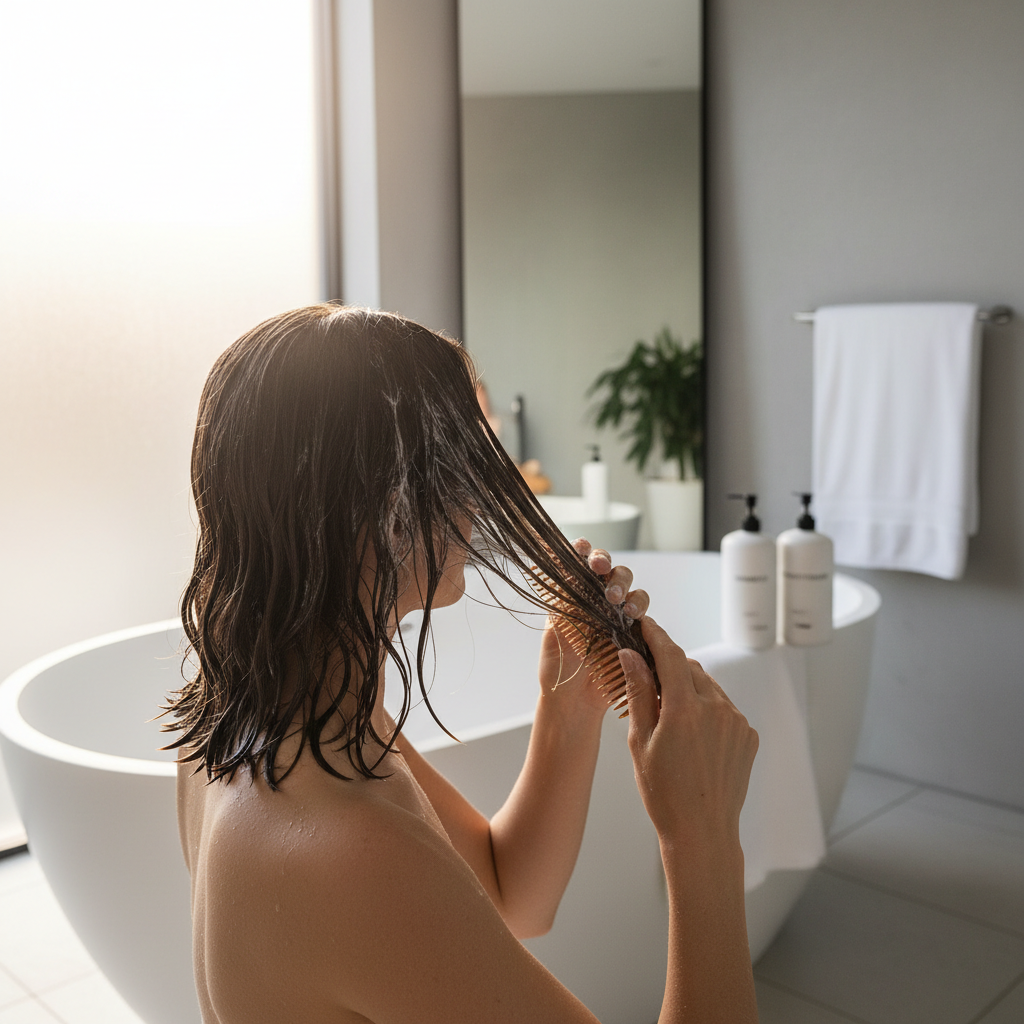
One small habit that matters more than it should, be gentle when hair is wet. Wet hair stretches more, which means it can snap more easily if you’re aggressive.
Build your “7-day repair” routine (simple, not perfect)
This is a realistic weekly structure for many people in the US, adjust based on how often you wash. The point is consistency, not a 14-step routine.
| Day | What to do | Why it helps |
|---|---|---|
| Wash Day 1 | Gentle shampoo + rich conditioner, finish with leave-in | Improves slip, reduces friction, hair feels smoother fast |
| Midweek | Deep conditioner 10–20 min, detangle slowly | Boosts softness and manageability, helps cuticle lay flatter |
| Wash Day 2 | Bond-focused treatment (if chemically damaged) or moisturizing mask | Targets the type of weakness driving breakage |
| Any styling day | Heat protectant + lower heat, fewer passes | Prevents “repair progress” from being erased |
Key point: if your hair already feels stiff, don’t stack multiple protein-heavy products in the same week. Many “strength” lines combine protein plus stiffening polymers, which can make hair feel worse even though it sounds right on paper.
Choosing products without getting played by the label
Labels like “repair” and “strengthening” can mean different things, so it helps to match product type to your damage pattern.
What to look for (by need)
- For dryness and roughness: conditioners with fatty alcohols (like cetyl/stearyl alcohol), silicones for slip, and humectants in moderation.
- For chemical/bleach damage: bond-building treatments can help reduce breakage and improve feel, but they aren’t magic, you still need conditioning.
- For limp hair that breaks: light protein use can help, look for hydrolyzed proteins, then watch how your hair responds over 1–2 washes.
- For frizz that returns fast: a leave-in plus a light serum can reduce friction, especially at ends.
Ingredient expectations (practical, not hype)
Bond builders often help chemically compromised hair feel stronger, while silicones often make hair feel smoother quickly by improving slip. Neither replaces trimming split ends, and both can be part of a fast improvement plan.
Common mistakes that slow “fast repair” down
Most setbacks come from doing too much, too aggressively, or chasing a single miracle product.
- Overusing protein: hair can feel hard, brittle, and more prone to snap, if this happens, shift to moisturizing conditioning for a couple washes.
- Oiling damaged hair like a treatment: oils can reduce friction, but they don’t “fix” structural loss, heavy oiling also makes it harder for water-based conditioners to do their job.
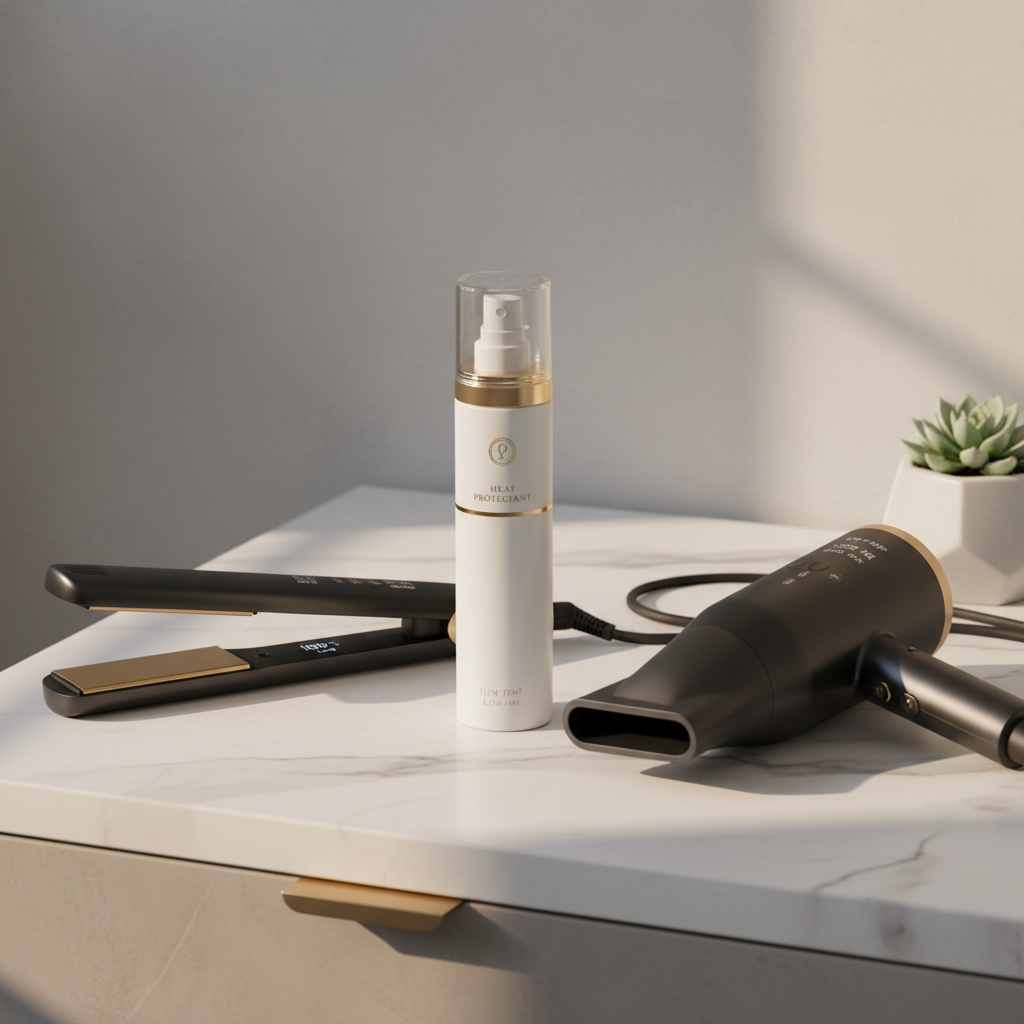
- Heat without protection: even “just a quick pass” adds up, protectant plus lower temp usually beats raw high heat.
- Brushing from roots to ends: start at ends, work upward, less ripping equals less breakage.
- Ignoring buildup: too much styling product can make hair dull and stiff, a clarifying wash occasionally may help, especially before a deep mask.
If you only change one thing, change how you handle hair day-to-day. That’s where “fast repair” either sticks or disappears by the next wash.
When to get help (and what to ask for)
If breakage is sudden, shedding is heavy, your scalp hurts, or you have patchy hair loss, it may not be simple damage. In many cases it’s smart to talk with a licensed stylist who works with corrective services, and if scalp symptoms or hair loss show up, consider a board-certified dermatologist.
According to the American Academy of Dermatology Association, hair loss and scalp changes can have multiple causes, and getting medical input can be appropriate when symptoms persist or worsen.
- Bring photos of your hair in natural light, plus your recent chemical and heat history.
- Ask whether a trim, a bond service, or a pause on chemical processing makes sense for your hair.
- If you suspect an allergy or irritation, ask about patch testing or safer alternatives, rather than guessing.
Conclusion: a fast plan that still respects reality
how to repair damaged hair fast really comes down to two moves, reduce new damage and maximize slip and conditioning so breakage drops. You’ll usually see the biggest “wow” improvement from gentler detangling, better conditioning, and lower heat, then bond and protein support where it truly fits.
Pick one routine for the next week, stick with it, and take a quick photo on day one and day seven, hair changes can be subtle day to day, but easier to notice side by side.
Key takeaways
- Fast results come from smoother cuticle feel and less breakage, not literal healing.
- Moisture + slip helps most damage types, especially when detangling.
- Bond care tends to matter more after bleach or heavy chemical services.
- Trims are often the quickest way to stop ends from shredding.
If you’re trying to simplify your routine, a helpful next step is choosing one gentle shampoo, one rich conditioner, and one targeted treatment that matches your damage type, then giving it two weeks before you judge.