
The best eyeshadow palette for beginners is the one you can use without thinking too hard: a small-to-medium set of wearable neutrals, a forgiving formula, and a layout that makes “one-and-done” looks easy.
If you’ve ever bought a gorgeous palette and then avoided it, you’re not alone. Beginners usually get stuck on three things: too many shades, too much fallout, and no clue which colors work together. A good starter palette reduces those decisions, so you spend more time applying and less time second-guessing.
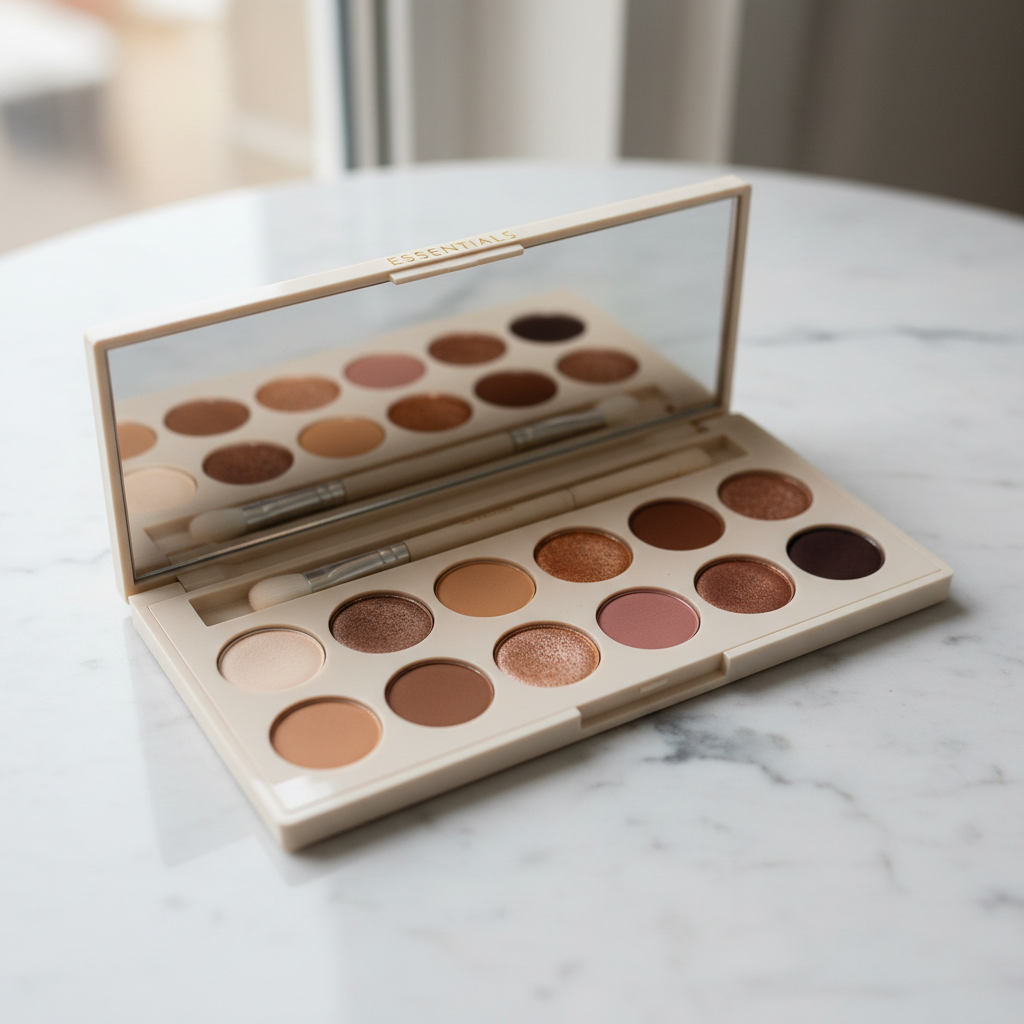
This guide breaks down what to look for, a quick self-check to match palette types to your routine, and a simple method to get a polished look even if you only own two brushes. You’ll also see a comparison table so you can narrow choices fast.
What “beginner-friendly” really means in an eyeshadow palette
Beginner-friendly is less about price or hype, more about how predictable the shadows behave on real eyelids. You want shades that blend without patchiness, build slowly, and don’t punish small mistakes.
- Forgiving payoff: Color shows up, but you can layer it gradually.
- Blendability: Edges soften without constant re-dipping.
- Low fallout: Less powder dropping onto cheeks means fewer “start over” moments.
- Wearable color story: Neutrals first, with one or two fun shades max.
- Useful finishes: Mostly mattes plus 1–3 easy shimmers, not 10 glitter bombs.
According to the American Academy of Dermatology (AAD), if you have sensitive skin or react to cosmetics, it can help to choose products labeled for sensitive skin or fragrance-free, and consider patch testing; if reactions persist, it’s reasonable to consult a dermatologist.
How to pick the right palette fast (a quick self-check)
Before you compare brands, decide what you actually want to do on weekday mornings. Many people buy for “someday looks,” then reach for the same bronzer every day anyway.
- If you want the easiest daily look: choose a 5–9 pan neutral palette with mostly mattes.
- If you love soft shimmer: look for satins and foiled shimmers, skip chunky glitter.
- If you’re building skills: pick 12–18 pans with clear light-to-deep progression.
- If you’re deeper skin tone: make sure the “transition” shade isn’t too ashy, and that the deepest matte is truly deep enough.
- If you’re oily lids: prioritize formulas known for longevity, and plan on using primer.
One more practical tell: if the palette has three nearly identical mid-browns and no true light base shade, it may be harder to create clean contrast as a beginner.
The starter-palette features that matter most (and what to ignore)
Marketing loves big claims, but a few details make the biggest difference when you’re learning.
Prioritize these features
- Matte “transition” shades: a light-medium matte helps you place color in the crease without harsh edges.
- A reliable deepener: one medium-deep matte for outer corner definition beats five bright colors you won’t touch.
- A simple lid shimmer: one champagne/bronze shimmer that applies well with a finger is gold for beginners.
- Shade spacing: you want visible steps from light to dark so you can control depth.
These are optional (and sometimes distracting)
- Huge pan counts: more shades can mean more confusion, not more versatility.
- Pressed glitters: they can be messy and may irritate eyes for some people; many folks skip them entirely.
- “Clean” labels as a shortcut: ingredient preferences are personal; patch testing and comfort matter more than buzzwords.
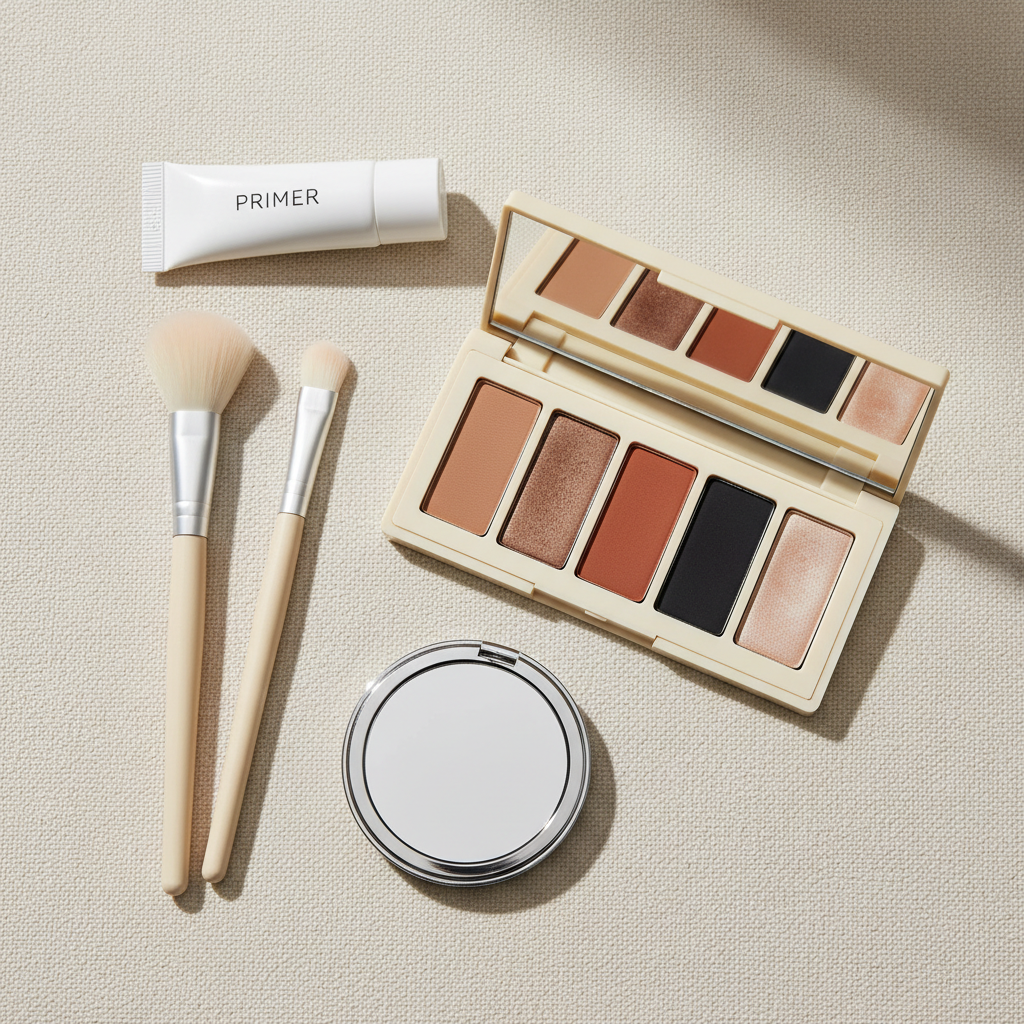
Key takeaway: the best eyeshadow palette for beginners usually has more mattes than shimmers, and a color story that practically tells you what goes where.
Comparison table: which palette type fits your routine?
Use this as a shortcut. You can find great options in every category, but the category itself often predicts whether you’ll actually use it.
| Palette type | Best for | Why it works for beginners | Watch-outs |
|---|---|---|---|
| 5–9 pan neutrals | Daily, quick looks | Low decisions, easy placement | May feel “boring” if you want color |
| 12–18 pan neutrals + 1 accent | Learning blending and depth | More gradients to practice with | Can still overwhelm if shades repeat |
| All-matte neutral palette | Work-friendly, oily lids | Mattes are easier to control | You’ll want a topper shimmer eventually |
| Neutral + shimmer-focused | Soft glam, date-night | Finger-friendly sparkle adds impact fast | Some shimmers crease without primer |
| Colorful “rainbow” palette | Creative looks | Fun, expressive | Harder to pair shades, more room for patchiness |
A simple 5-minute eyeshadow method (works with most beginner palettes)
This is the routine I usually suggest when someone wants results quickly. It’s not fancy, but it builds the habit and teaches control.
- Step 1: Prep. Use eye primer or a thin concealer layer, then lightly set with a base shade if your palette includes one.
- Step 2: Transition. Sweep a light-medium matte through the crease and slightly above it, keep pressure light.
- Step 3: Outer corner. Tap a medium-deep matte on the outer third of the lid, then blend inward a little.
- Step 4: Lid shade. Press a shimmer or satin onto the center lid with a finger or flat brush.
- Step 5: Quick balance. Smudge a touch of the transition shade along the lower lash line, then add mascara.
If you want an even easier version, do only Step 1, Step 4, Step 5. That “one-and-done shimmer + mascara” look is a reason many people fall in love with makeup in the first place.
Common mistakes that make a good palette feel “bad”
Sometimes the palette isn’t the problem. It’s usually technique, tools, or expectations.
- Using too much product too fast: start with a light tap, build in layers.
- Blending with a tiny brush: a fluffy brush does more work than people think.
- Skipping primer on oily lids: creasing can happen even with expensive shadows.
- Trying to copy advanced looks: a cut-crease tutorial can make a beginner palette feel “not pigmented,” when it’s really just the wrong goal today.
- Ignoring undertone: if everything looks orange or gray, try switching to cooler or warmer neutrals rather than adding more shades.
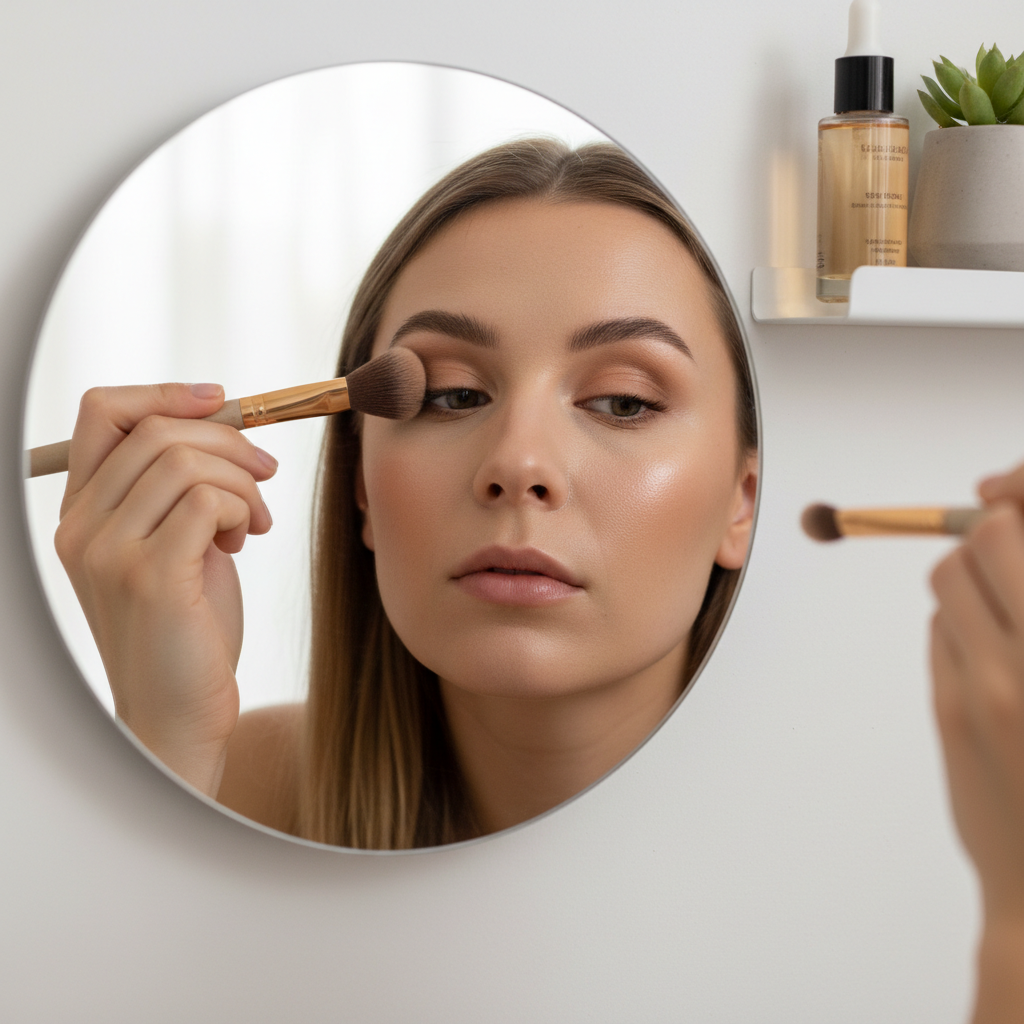
Quick fix that helps most people: do your eye makeup before base makeup the first few times, fallout becomes a non-issue and you feel less pressure.
When to spend more (and when not to)
Price can correlate with smoother textures, but it’s not a guarantee. Spend more when you care about very specific performance details, otherwise you can learn with mid-range options just fine.
- Worth spending on: a palette you’ll use weekly, sensitive-eye friendly formulas, or reliable mattes that blend fast.
- Okay to save on: a “fun color” palette you’ll wear twice a year, or your first practice palette while you learn placement.
Also, don’t underestimate returns policies and shade photos in natural light. Store lighting makes almost everything look better than it behaves at home.
Conclusion: choosing your first palette without overthinking it
The best eyeshadow palette for beginners usually looks a little plain on purpose: wearable neutrals, a couple shimmers you can tap on with a finger, and enough depth to shape the eye without turning muddy. If you want one action to take today, pick a palette type from the table, then do the 5-minute method for a week. Your hands learn faster than your brain.
If you’re torn between two palettes, choose the one with more mattes and fewer “special effect” shades, you can always add a single shimmer topper later.
FAQ
- What is the best eyeshadow palette for beginners if I only want one palette?
In many cases, a neutral palette with 5–12 shades covers the most looks, especially if it includes a light base, a mid-tone matte, and a deeper matte for definition. - Should beginners buy matte or shimmer eyeshadow first?
Mattes teach placement and blending, while shimmer gives quick impact. A mixed palette with mostly mattes plus a couple easy shimmers tends to feel the most practical. - How do I know if a palette will look ashy on my skin tone?
If the light and mid-tone browns lean very gray or “dusty” in swatches, they may read ashy on deeper complexions. Look for warmer or richer transition shades, and a deep matte that truly shows up. - Do I need eyeshadow primer as a beginner?
Not always, but it helps a lot if your lids are oily, your shadow creases, or you want shimmer to stay put. If irritation occurs, stop use and consider asking a professional for guidance. - Why does my eyeshadow look patchy even with a good palette?
Common causes include applying on an unset sticky base, using too much product at once, or blending with a brush that’s too small and stiff. Lighter layers and a fluffier brush usually fix it. - Can I use a finger instead of brushes?
For lid shimmers and quick one-shadow looks, yes. A finger often packs shimmer evenly, then you can soften edges with one fluffy brush if you have it.
If you’re building a simple routine and want a more “no guesswork” option, it can help to choose a curated beginner palette plus one blending brush and a basic primer, that small kit usually feels easier than buying multiple random singles.