
best outfits for work women casual usually come down to one thing: you want to look credible at 9 a.m. without feeling like you’re wearing a costume by 2 p.m. If your office sits in that wide “business casual-ish” zone, the frustrating part is the lack of clear rules, what reads polished in one workplace can look overdressed or too relaxed in another.
That’s why this guide focuses less on trends and more on repeatable outfit formulas you can adjust for meetings, hybrid days, and those in-between seasons that make getting dressed weirdly hard. You’ll get practical building blocks, quick “does this work here?” checks, and a few 2026-leaning updates that still feel classic.
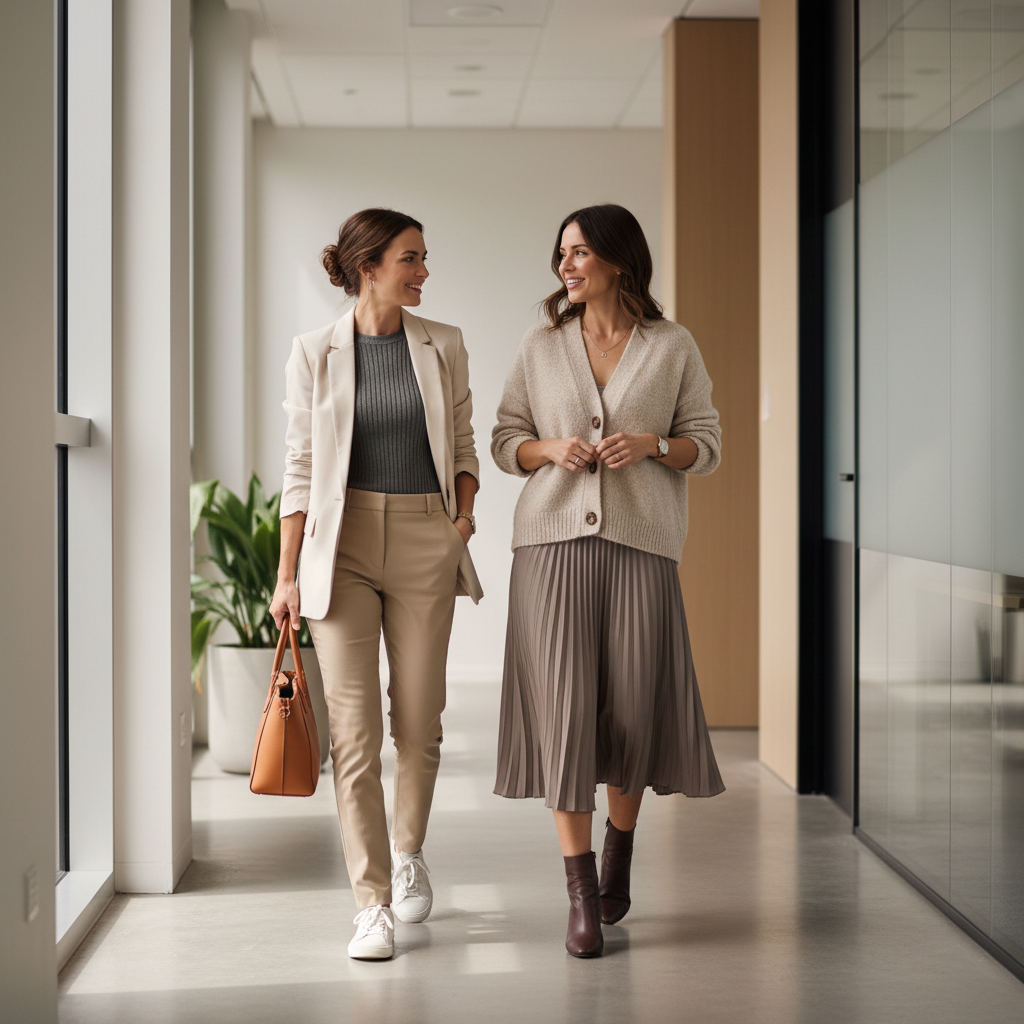
One common misconception: “casual” means sneakers and a tee. Sometimes it does, but many companies still expect structure, clean lines, and shoes that look intentional. According to SHRM (Society for Human Resource Management), dress codes vary widely by organization and role, so it’s smart to build outfits that can shift one notch up or down with small swaps.
What “casual work” really means in 2026 (and why it’s confusing)
In practice, casual workwear in the U.S. often lands in three buckets, and you’ll want to dress for the most senior person you’ll interact with that day, not the most relaxed person on your team.
- Polished casual: knits, trousers, dark denim, loafers, clean sneakers, structured layers.
- Business casual: blazers, refined tops, tailored pants, closed-toe shoes, minimal distressing.
- Creative casual: more color and statement pieces, but still neat and workplace-safe.
The 2026 update you’ll see more of: slightly looser silhouettes (relaxed straight-leg pants, longer-line blazers) paired with sharper finishing, pressed hems, smooth knits, coordinated colors. The vibe is “comfortable, but not careless.”
A quick self-check: is your outfit casual-work appropriate?
If you’re staring at your closet five minutes before a call, this checklist keeps you honest without overthinking.
- Structure test: Do you have at least one structured element (blazer, crisp shirt, tailored pants, or a belt)?
- Fabric test: Does anything look flimsy, clingy, see-through, or overly worn under bright office lighting?
- Movement test: If you sit, stand, and reach, does anything pull, gape, ride up, or need constant adjusting?
- Shoe reality check: Are the shoes clean and intentional, not “running errands” shoes?
- Meeting factor: If you unexpectedly had to present, would you feel underdressed?
If you fail one item, you often don’t need a full outfit change, just one upgrade piece. This is where the best outfits for work women casual tend to win: they’re built to handle surprise context changes.
The building blocks: a small capsule that makes outfits effortless
You don’t need a huge wardrobe, you need pieces that mix without fighting each other. Aim for a tight color story: black, navy, gray, ivory, and one accent color you actually wear (olive, burgundy, or soft blue often plays nicely).
Core tops (pick 5–7)
- Ribbed knit tees or tanks that hold shape (not see-through)
- One crisp button-down or a relaxed poplin shirt
- A refined sweater (crew or mock neck)
- A blouse you can layer under a blazer without bunching
Core bottoms (pick 4–6)
- Straight-leg trousers (ankle or full length)
- Wide-leg trousers (only if you like the proportion)
- Dark, clean denim (no distressing, minimal fading)
- Midi skirt (slip, A-line, or knit)
Third pieces (pick 2–4)
- Longline blazer or a shorter, boxy blazer
- Cardigan with good drape (not pilled)
- Lightweight trench or modern utility jacket
Key point: Most “it doesn’t look work-appropriate” moments come from cheap-looking fabric and tired shoes, not the silhouette itself.
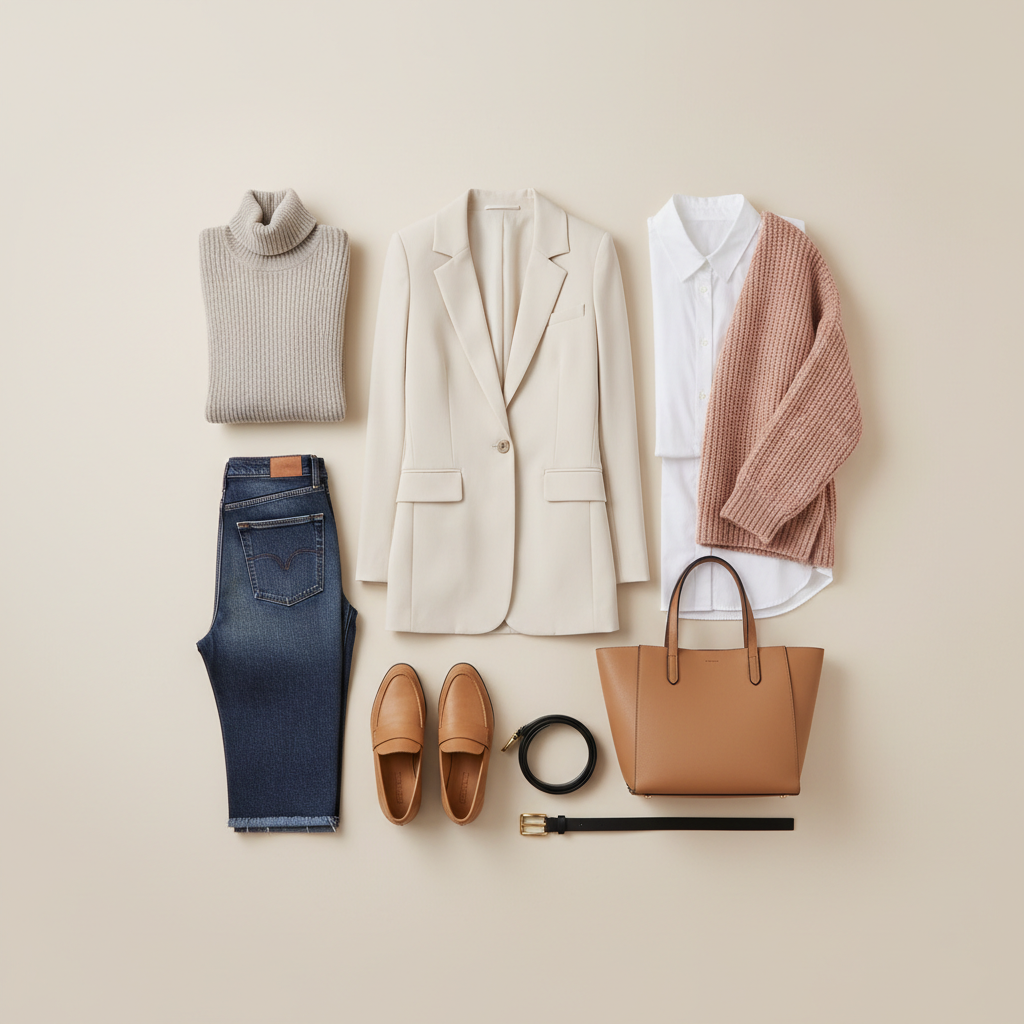
According to U.S. Small Business Administration guidance on business professionalism, expectations can vary by industry and customer-facing role, which is why a capsule built around “polished neutral + one statement” tends to travel well across teams and meetings.
10 easy outfit formulas you can repeat (with 2026-friendly tweaks)
These combos are designed so you can swap one piece and move from casual to meeting-ready. Use them as templates, not rules.
- Blazer + knit tee + straight trousers + loafers (add a belt to sharpen the waistline)
- Cardigan + silky tank + dark denim + pointed flats (choose denim with a clean hem)
- Button-down + wide-leg pants + sleek sneakers (keep sneakers minimal and spotless)
- Monochrome knit set + structured bag (reads “intentional” even when comfy)
- Midi skirt + fitted sweater + ankle boots (great for A/C-heavy offices)
- Poplin shirt + tailored bermuda shorts + loafers (only where shorts are accepted)
- Relaxed blazer + slip skirt + tee + mules (balance soft skirt with sharp jacket)
- Fine-gauge turtleneck + straight jeans + heeled boots (a simple, quiet power look)
- Dress (knee to midi) + cardigan + flats (pick thicker fabric so it hangs well)
- Utility jacket + sweater + trousers + sneakers (works well for casual Fridays)
If your office is conservative, keep necklines higher, hemlines steadier, and prints calmer. You can still do “casual,” just make it tidy.
Outfit ideas by scenario: in-office, hybrid, travel, and interviews
Most people don’t need more clothes, they need better decision rules depending on the day’s context.
In-office team day
- Dark denim + sweater + blazer, swap blazer for cardigan after lunch
- Midi skirt + tucked tee + belt + loafers, add a light jacket for polish
Hybrid WFH-to-office pivot
- Knit top + trousers + sleek sneakers, keep a blazer on your chair
- Easy dress + structured tote, one-and-done when you’re rushing
Client meeting (casual workplace, higher stakes)
- Monochrome base + blazer, minimal jewelry, closed-toe shoes
- Button-down + tailored pants, skip loud logos and flashy hardware
Interview in a “casual” company
Dress one level above the day-to-day. A blazer or a polished cardigan with tailored pants is a safer bet than trying to mirror their Instagram vibe.
Key pieces and when to wear them (table)
Use this as a quick reference when you’re shopping or editing your closet.
| Piece | Why it works | Best for | Watch-outs |
|---|---|---|---|
| Longline blazer | Adds structure fast | Meetings, presentations | Shoulders must fit, avoid shiny cheap fabric |
| Dark straight-leg jeans | Casual but clean | Most business-casual offices | No rips, no heavy whiskering |
| Loafers | Polished, walkable | Commute + office days | Keep them conditioned, avoid overly chunky in conservative offices |
| Fine-gauge sweater | Looks refined on camera | Hybrid work, A/C offices | Pilling and stretching show quickly |
| Midi skirt | Easy “dressed” effect | Warmer months, desk-heavy days | Slippery fabric can cling, consider a slip |
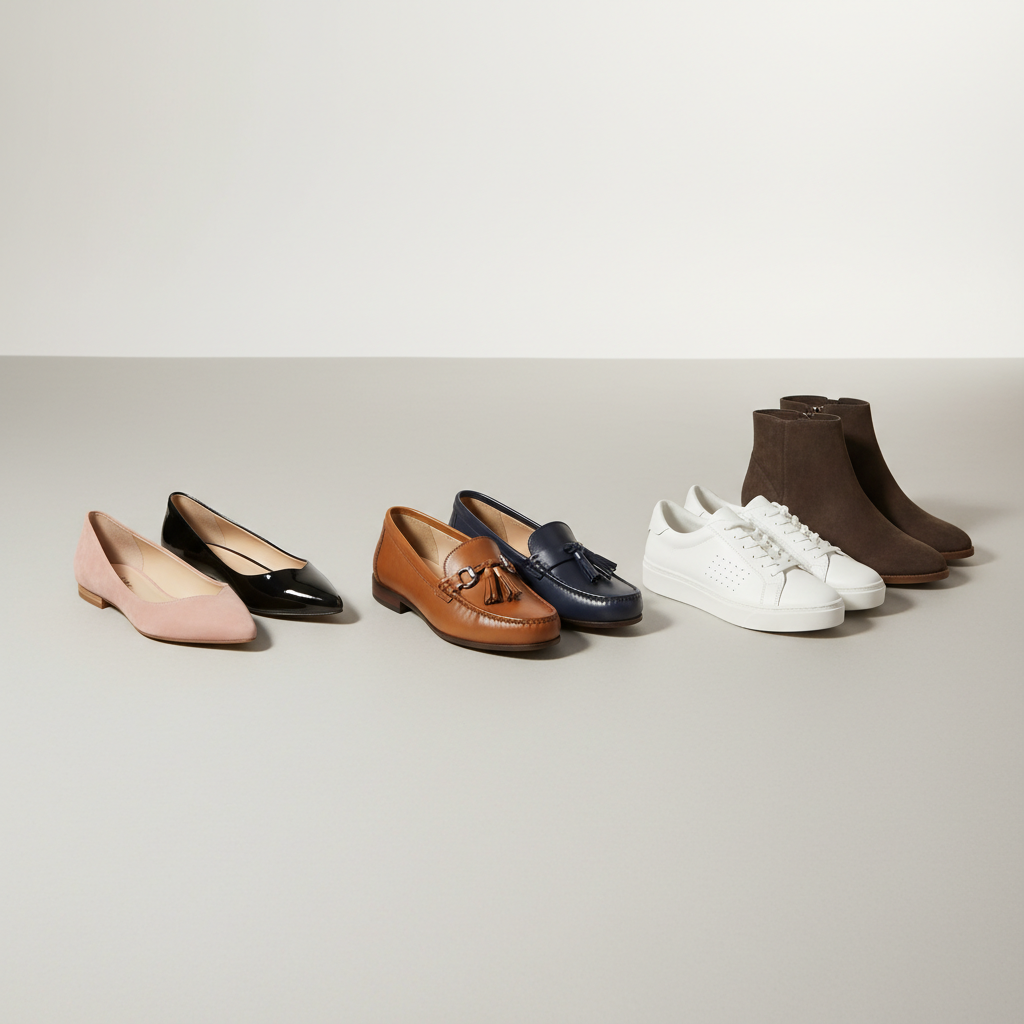
When you’re building best outfits for work women casual around these pieces, the goal is predictability: fewer “maybe” items, more things you can wear on a Tuesday without negotiating with your mirror.
Practical styling upgrades that make casual look intentional
These are small, but they’re the difference between “weekend casual” and “office casual.”
- Use a belt when you tuck, even a slim one, it finishes the outfit.
- Match metals across jewelry, belt buckle, and bag hardware when possible.
- Steam knits and shirts because wrinkles read louder than you think.
- Keep one sharp layer at work like a blazer, structured cardigan, or jacket.
- Choose one statement (shoe, color, or accessory), not three.
Quick key points: clean shoes, smooth fabrics, and a structured “third piece” handle most offices without feeling stiff.
Mistakes that quietly downgrade an otherwise good outfit
This is the stuff people rarely say out loud, but you notice it in conference rooms and elevators.
- Leggings as pants in workplaces that haven’t clearly normalized them
- Overly casual sneakers with worn soles or bright running details
- Thin white tees that turn see-through under office lights
- Too many oversized items at once, it can look like loungewear
- “Dry clean only” pieces you avoid wearing, then you default to the same two outfits
If you’re unsure whether your workplace accepts something like sneakers or sleeveless tops, scan what managers wear on mid-week days, not Friday afternoons.
When it’s worth getting help (or at least a second opinion)
If your job is client-facing, you’re interviewing, or you’re moving into management, a quick consult with a stylist or even a trusted colleague can save you money and stress. This is also true if you’re navigating workplace accommodations, sensory needs, or footwear requirements, in those cases, it may help to ask HR for clarity rather than guessing.
And if you’re trying to follow a dress code tied to safety gear or lab environments, default to the strictest interpretation and consult a supervisor, policies vary and “casual” can still have non-negotiables.
Conclusion: a simpler way to dress casual for work in 2026
The most reliable casual work wardrobe is boring in the best way: strong basics, repeatable formulas, and one or two personality pieces that feel like you. If you take anything from this, let it be this, a structured layer plus clean shoes gets you most of the way there.
Action steps: pick two outfit formulas from the list that match your office, then build a mini capsule around them for the next two weeks. If you keep reaching for the same item, buy a better version, that’s usually the real upgrade.
FAQ
- What are the best outfits for work women casual if my office allows jeans?
Go with dark, clean denim and pair it with at least one polished piece like a blazer, refined sweater, or crisp shirt. The jeans are “casual,” the rest signals work. - Can I wear sneakers with business casual outfits?
Often yes, but it depends on your company and your role. Minimal leather or sleek low-profile sneakers read more intentional than running shoes. - How do I make a simple tee look office-appropriate?
Choose a thicker knit, a clean neckline, and a flattering sleeve length, then add a structured layer or tuck with a belt. Fit and fabric matter more than the tee itself. - What’s a safe casual work outfit for a last-minute meeting?
Tailored pants or dark denim, a solid knit top, and a blazer with loafers or pointed flats. Keep accessories minimal and let the structure do the work. - How many outfits do I need for a 3-day in-office schedule?
Usually 6–9 mix-and-match pieces can cover it comfortably if they coordinate. Focus on two bottoms, three tops, one layer, and two shoe options. - Are wide-leg pants still okay for work in 2026?
In many workplaces, yes, especially when the fabric drapes well and the hem looks tailored. Pair them with a more fitted top to keep the shape balanced. - What should I avoid in “casual” offices if I’m new?
Anything that reads like gym wear, party wear, or beach wear tends to backfire. When you’re unsure, dress slightly more polished for the first couple weeks and adjust from there.
If you’re building a wardrobe from scratch or you want a more streamlined shopping list for your workplace, it can help to map your week first, then choose pieces that plug into 2–3 repeatable formulas rather than chasing isolated “cute” items.